Powdery mildew hits every Thai room.
Silicon is why some survive.
เชื้อราแป้งโจมตีห้องไทยทุกห้อง
ซิลิกอนคือ เหตุผลที่บางห้องรอด
Mốc phấn đánh mọi phòng Thái.
Silicon là lý do một số sống sót.
The defence you have to start in week one of veg — not week six of flower when you can already see spores on the fan leaves. การป้องกันที่ต้องเริ่มในสัปดาห์ที่ 1 ของ veg — ไม่ใช่สัปดาห์ที่ 6 ของดอกเมื่อเห็นสปอร์บนใบพัดแล้ว Phòng vệ phải bắt đầu tuần 1 veg — không phải tuần 6 hoa khi đã thấy bào tử trên lá quạt.
Powdery mildew wrecks 20–40% of Thai monsoon-season crops every year. The rooms that don't lose to it all share one thing: silicon in the feed from day one of veg. Mills Vitalize at 0.2 ml/L every feed hardens leaf cell walls into a mildew-resistant silica lattice. Start in veg — by flower, it's too late. เชื้อราแป้งทำลายผลผลิตฤดูมรสุมไทย 20–40% ทุกปี ห้องที่ไม่เสียมีสิ่งเดียวกัน: ซิลิกอนในปุ๋ยตั้งแต่วันที่ 1 ของ veg Mills Vitalize 0.2 มล./ล ทุกรอบทำให้ผนังเซลล์ใบเป็นตาข่ายซิลิกาต้านเชื้อรา เริ่มใน veg — ถึงดอกก็สายแล้ว Mốc phấn phá 20–40% vụ mùa mưa Thái hàng năm. Phòng không mất có cùng một thứ: silicon trong dinh dưỡng từ ngày 1 veg. Mills Vitalize 0.2 ml/L mỗi lần bón làm cứng thành tế bào thành lưới silica chống mốc. Bắt đầu veg — đến hoa là quá muộn.
Ask any Thai commercial grower what they lose to monsoon season and they'll tell you the same story. The first week of May, humidity punches to 85%. The second week, you spot a couple of small white patches on a lower fan leaf. You wipe them off with a microfiber. Three days later the patches are back, and one has spread to the leaf above it. By week six of flower, a third of your canopy is covered in powder. You harvest early, lose 30% of weight, and the remaining buds have that grey-green monsoon look that drops your wholesale price by half.
This cycle plays out in every grow room that wasn't silicon-prepared in veg.
Why monsoon mildew is a Thailand-specific crisis
Powdery mildew (Golovinomyces ambrosiae, formerly classed under G. cichoracearum, and related Erysiphaceae) needs three conditions to explode: high leaf-surface humidity, dense canopy restricting airflow, and cell walls soft enough for the mycelium to penetrate. In a Dutch grow room with 55% RH, mildew can get a foothold but rarely crashes a full cycle. In a Thai monsoon room where ambient humidity sits at 80–85% for six months straight, all three conditions are persistent, not occasional.
The Thai grower's usual defence is environment-first: dehumidifiers, extraction, leaf pruning, and — in desperation — contact fungicides sprayed onto an already-infected canopy. This is the Dutch playbook applied to a Thai problem, and it undershoots. The environment in a Thai monsoon room simply cannot be pushed low enough, long enough, to eliminate infection pressure.
The variable that can be pushed far enough is the leaf itself. This is where silicon becomes non-negotiable.
How silicon changes the leaf
Mono-silicic acid, when delivered in the feed, travels in the transpiration stream from root to leaf. Once in the leaf, it polymerises into amorphous silica (SiO₂) and deposits in the epidermis, cuticle, and stomatal guard cells. In effect, the leaf grows with a built-in crystalline armour. What this does for mildew:
- The cuticle becomes thicker and harder. Mycelium needs to penetrate this layer to infect the cell. Silica-rich cuticles resist penetration by measurable degrees — most hypha never make it through on a well-silicated plant.
- The stomata close more precisely. Open stomata are infection highways. Silica in the guard cells makes stomatal closure faster and tighter, reducing the window mildew has to enter.
- Leaf-surface humidity drops. Silica affects the way water exits the leaf, creating a slightly drier microclimate right at the leaf surface — below the RH threshold mildew needs to germinate a spore.
- Infected leaves can be pruned without new infections spreading. The un-infected leaves above are sealed by their silica layer, so they don't pick up the spores dislodged during pruning.
Why starting in flower is too late
Silica is immobile in plant tissue. Once deposited in a leaf, it stays there — but it does not redistribute to new leaves produced later without fresh silicon in the feed. And it does not retroactively armour leaves that were produced before silicon was in the feed. The leaves you see in flower were mostly formed in veg and early stretch. Those leaves will carry whatever silica they deposited at the time they expanded. If your tank was silica-free during veg, those flowering fan leaves are structurally defenceless — no matter what you add now.
This is the mistake most Thai growers make with silicon: they read about it, add it to the flower feed, and wonder why they still lose 30% of the crop. The protection is in the structure. The structure is already built. Silicon added at flower can still help — the new growth in stretch and early flower will benefit — but the mature canopy that carries your yield was decided weeks earlier.
ถามผู้ปลูกเชิงพาณิชย์ไทยคนไหนก็ได้ว่าเสียอะไรกับฤดูมรสุม เล่าเรื่องเดียวกัน สัปดาห์แรกของพฤษภา ความชื้นแตะ 85% สัปดาห์ที่ 2 เห็นจุดขาวเล็กสองสามจุดบนใบพัดล่าง เช็ดออกด้วยผ้าไมโครไฟเบอร์ สามวันต่อมา จุดกลับมา หนึ่งลามไปใบบน สัปดาห์ที่ 6 ของดอก หนึ่งในสามของยอดใบคลุมด้วยผง เก็บเกี่ยวเร็ว เสียน้ำหนัก 30% และดอกที่เหลือมีสีเทาเขียวแบบมรสุมที่ลดราคาขายส่งครึ่งหนึ่ง
วงจรนี้เล่นในทุกห้องปลูกที่ไม่ได้เตรียมซิลิกอนใน veg
ทำไมเชื้อรามรสุมเป็นวิกฤตเฉพาะไทย
เชื้อราแป้งต้องการสามเงื่อนไขเพื่อระเบิด: ความชื้นผิวใบสูง ยอดใบหนาจำกัดอากาศ และผนังเซลล์อ่อนพอให้เส้นใยทะลุ ในห้องดัตช์ที่ RH 55% เชื้อราอาจเริ่มต้นได้แต่ไม่ค่อยทำลายรอบทั้งรอบ ในห้องมรสุมไทยที่ความชื้นรอบ ๆ 80–85% ติดต่อกัน 6 เดือน ทั้งสามเงื่อนไขคงอยู่ตลอด ไม่ใช่บางครั้ง
การป้องกันปกติของผู้ปลูกไทยเริ่มที่สิ่งแวดล้อม: เครื่องลดความชื้น ดูด ตัดใบ และพ่นยาฆ่าเชื้อราลงบนยอดใบที่ติดแล้ว นี่คือคู่มือดัตช์ใช้กับปัญหาไทย และไม่เพียงพอ สิ่งแวดล้อมในห้องมรสุมไทยไม่สามารถผลักต่ำพอนานพอที่จะกำจัดความดันการติดเชื้อ
ตัวแปรที่ผลักได้คือใบเอง นี่คือจุดที่ซิลิกอนจำเป็น
ซิลิกอนเปลี่ยนใบยังไง
กรดโมโนซิลิซิกในปุ๋ยเดินทางผ่านกระแสคายน้ำจากรากสู่ใบ เมื่อเข้าใบแล้ว พอลิเมอร์ไรซ์เป็นซิลิกาอสัณฐาน (SiO₂) และสะสมใน ผิวใบ คิวทิเคิล และเซลล์คุ้มปากใบ ผลคือใบเติบโตพร้อมเกราะผลึกในตัว ทำอะไรกับเชื้อรา:
- คิวทิเคิลหนาและแข็งขึ้น เส้นใยต้องทะลุชั้นนี้เพื่อติดเซลล์ คิวทิเคิลที่รวยซิลิกาต้านทะลุวัดได้ — เส้นใยส่วนใหญ่ไม่ผ่านบนพืชที่ซิลิกาครบ
- ปากใบปิดแม่นขึ้น ปากใบเปิดเป็นทางติดเชื้อ ซิลิกาในเซลล์คุ้มทำให้ปิดเร็วและแน่นขึ้น ลดช่องว่างที่เชื้อราเข้า
- ความชื้นผิวใบลด ซิลิกาเปลี่ยนวิธีที่น้ำออกจากใบ สร้างสภาพแห้งขึ้นเล็กน้อยที่ผิวใบ — ต่ำกว่าเกณฑ์ RH ที่เชื้อราต้องการงอกสปอร์
- ใบติดเชื้อตัดได้โดยไม่ลามใหม่ ใบที่ยังไม่ติดด้านบนปิดด้วยชั้นซิลิกา จึงไม่รับสปอร์ที่หลุดตอนตัด
ทำไมเริ่มช่วงดอกก็สายไปแล้ว
ซิลิกา ไม่เคลื่อนที่ ในเนื้อเยื่อพืช เมื่อสะสมในใบแล้ว อยู่นั่น — ไม่กระจายไปใบใหม่โดยไม่มีซิลิกอนใหม่ในปุ๋ย และไม่ย้อนเกราะใบที่สร้างก่อนซิลิกอนเข้าปุ๋ย ใบที่คุณเห็นตอนดอก ส่วนใหญ่สร้างใน veg และ stretch ต้น ใบเหล่านั้นจะมีซิลิกาเท่าที่สะสมตอนขยาย ถ้าถังไม่มีซิลิกาใน veg ใบพัดตอนดอกพวกนั้นไม่มีเกราะโครงสร้าง — ไม่ว่าจะเพิ่มอะไรตอนนี้
นี่คือข้อผิดพลาดที่ผู้ปลูกไทยส่วนใหญ่ทำกับซิลิกอน: อ่านเจอ เพิ่มในปุ๋ยดอก และสงสัยว่าทำไมยังเสีย 30% ของผลผลิต การป้องกันอยู่ในโครงสร้าง โครงสร้างสร้างเสร็จแล้ว ซิลิกอนเพิ่มตอนดอกยังช่วยได้ — ใบใหม่ใน stretch และดอกต้นได้ประโยชน์ — แต่ยอดใบโตที่แบกผลผลิตตัดสินไปแล้วหลายสัปดาห์ก่อน
Hỏi bất kỳ người trồng thương mại Thái nào mất gì mùa mưa, họ kể cùng chuyện. Tuần đầu tháng 5, ẩm chạm 85%. Tuần hai, thấy vài đốm trắng nhỏ trên lá quạt dưới. Lau bằng khăn microfiber. Ba ngày sau, đốm trở lại, một đã lan lên lá trên. Đến tuần 6 hoa, một phần ba tán phủ bột. Thu sớm, mất 30% trọng lượng, hoa còn lại có sắc xám xanh mùa mưa đẩy giá bán buôn xuống một nửa.
Vòng lặp này diễn ra trong mọi phòng không được chuẩn bị silicon trong veg.
Vì sao mốc mùa mưa là khủng hoảng riêng Thái
Mốc phấn cần ba điều kiện để bùng: ẩm bề mặt lá cao, tán dày hạn luồng khí, thành tế bào đủ mềm để sợi nấm xuyên. Trong phòng Hà Lan RH 55%, mốc có thể bám nhưng hiếm khi sập cả vụ. Trong phòng mùa mưa Thái ẩm bao quanh 80–85% suốt 6 tháng, cả ba điều kiện bền vững, không phải đôi khi.
Phòng vệ thông thường của người Thái bắt đầu từ môi trường: máy hút ẩm, hút, cắt lá, và — tuyệt vọng — thuốc diệt nấm phun lên tán đã nhiễm. Đây là sổ tay Hà Lan áp vào vấn đề Thái, và không đủ. Môi trường phòng mùa mưa Thái không thể đẩy đủ thấp đủ lâu để loại áp lực nhiễm.
Biến số có thể đẩy đủ là chính cái lá. Đây là nơi silicon trở nên bắt buộc.
Silicon thay đổi lá thế nào
Axit mono-silicic trong dinh dưỡng đi qua dòng thoát hơi từ rễ lên lá. Vào lá, polymer thành silica vô định hình (SiO₂) và lắng trong biểu bì, cutin, tế bào bảo vệ khí khổng. Tức là lá mọc lên với giáp tinh thể tích hợp. Với mốc điều này:
- Cutin dày cứng hơn. Sợi nấm phải xuyên lớp này để nhiễm tế bào. Cutin giàu silica chống xuyên đo được — hầu hết sợi không qua trên cây silic hóa tốt.
- Khí khổng đóng chính xác hơn. Khí khổng mở là đường cao tốc nhiễm. Silica trong tế bào bảo vệ khiến đóng nhanh chặt hơn, giảm cửa sổ mốc vào.
- Ẩm bề mặt lá giảm. Silica thay đổi cách nước ra khỏi lá, tạo vi khí hậu khô hơn ngay bề mặt — dưới ngưỡng RH mốc cần để nảy bào tử.
- Lá nhiễm có thể cắt không lan mới. Lá chưa nhiễm phía trên niêm phong bằng lớp silica, nên không bám bào tử rơi lúc cắt.
Vì sao bắt đầu ở hoa là quá muộn
Silica bất động trong mô cây. Lắng vào lá rồi, ở đó — không phân bố lại sang lá mới nếu không có silicon mới. Và không hồi tố giáp lá tạo trước khi silicon vào dinh dưỡng. Lá bạn thấy ở hoa chủ yếu hình thành trong veg và stretch đầu. Những lá đó mang silica như đã lắng khi nở. Nếu bồn không silica trong veg, lá quạt hoa đó không có giáp cấu trúc — bất kể bạn thêm gì bây giờ.
Đây là lỗi hầu hết người Thái mắc với silicon: đọc về, thêm vào bón hoa, thắc mắc sao vẫn mất 30% vụ. Bảo vệ trong cấu trúc. Cấu trúc đã xây. Silicon thêm lúc hoa vẫn giúp — chồi mới ở stretch và hoa sớm hưởng lợi — nhưng tán trưởng thành mang năng suất đã quyết định từ nhiều tuần trước.
Mills Nutrients · Netherlands Mills Nutrients · เนเธอร์แลนด์ Mills Nutrients · Hà Lan
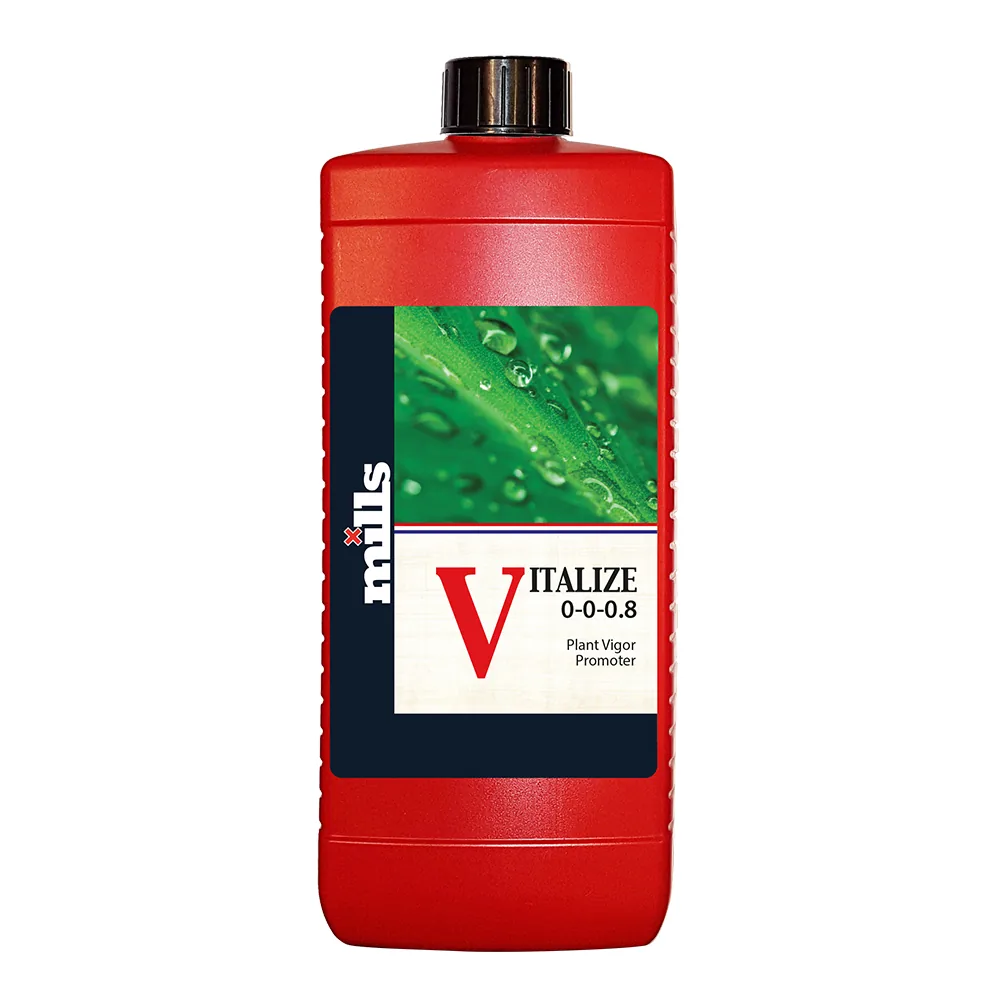
Vitalize Vitalize Vitalize
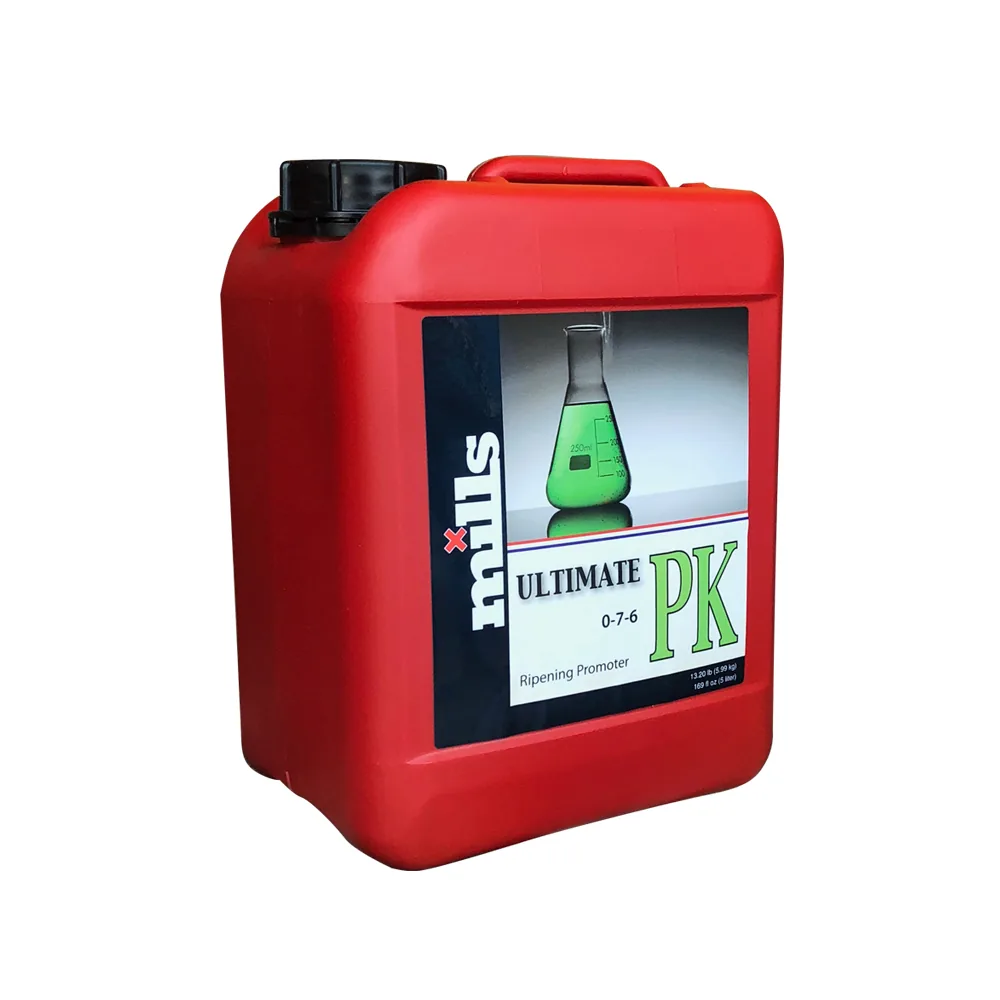
The single most important additive for Thai commercial grows. Mono-silicic acid delivered in a stable, plant-available form — the same silicon technology Dutch greenhouse growers use to run through autumn humidity. Deposits into leaf cell walls as crystalline silica, creating a mildew-resistant armour that environmental controls alone cannot achieve in a Thai monsoon room. If you run one Mills bottle year-round, make it this one. ตัวเสริมสำคัญที่สุดตัวเดียวสำหรับปลูกเชิงพาณิชย์ไทย กรดโมโนซิลิซิกในรูปที่เสถียรและพืชใช้ได้ — เทคโนโลยีซิลิกอนเดียวกับที่ผู้ปลูกโรงเรือนดัตช์ใช้ผ่านความชื้นฤดูใบไม้ร่วง สะสมในผนังเซลล์ใบเป็นซิลิกาผลึก สร้างเกราะต้านเชื้อราที่การควบคุมสิ่งแวดล้อมอย่างเดียวทำไม่ได้ในห้องมรสุมไทย ถ้าใช้ขวดเดียวตลอดปี ให้เลือกขวดนี้ Phụ gia quan trọng nhất cho vườn thương mại Thái. Axit mono-silicic dạng ổn định cây dùng được — công nghệ silicon Hà Lan dùng qua ẩm mùa thu. Lắng vào thành tế bào lá thành silica tinh thể, tạo giáp chống mốc mà kiểm soát môi trường đơn thuần không đạt được trong phòng mùa mưa Thái. Nếu chạy một chai Mills quanh năm, chọn chai này.
The Thai monsoon protocol
This is the schedule we give every Thai commercial grower working in a monsoon-exposed room. It assumes a 10-week cycle and a standard Mills feed base.
- Week 1 of veg: Add Vitalize at 0.2 ml/L to every feed. Dose into the reservoir first, before any other bottle, and allow 60 seconds of stirring for the mono-silicic acid to equilibrate.
- Weeks 2–4 veg: Maintain 0.2 ml/L every feed. This is the window where the largest fan leaves that will carry your flower are forming. Do not skip.
- Week 1 flower (stretch start): Continue 0.2 ml/L. The new stretch-zone leaves are forming now and will be the ones nearest your flowers — critical to keep silicated.
- Weeks 2–4 flower: Maintain 0.2 ml/L. Even though leaf production slows, stems are thickening and continuing to take up silicon. Silicated stems hold bloom weight without staking in peak flower.
- Weeks 5+ flower: You can reduce to 0.15 ml/L or drop Vitalize entirely from the final two weeks. By now your silica lattice is built and new leaf production has stopped.
The above protocol assumes a healthy, infection-free room. If you already see mildew on a fan leaf, silicon does not reverse it — you need a contact treatment for the active infection plus Vitalize for the next leaf generation.
What to pair Vitalize with
Airflow and RH
Vitalize makes the plant tolerant of humidity, not immune. Run your dehumidifiers hard in flower, target RH below 55% if the room allows, and keep oscillating fan airflow across the canopy. Silicon is the structural defence; environmental control is the frontline defence. They stack.
Preventative contact sprays in flower
Even with a good silicon regime, a monthly preventative spray (potassium bicarbonate at 5 g/L, early in lights-on) is cheap insurance in a Thai monsoon room. It does nothing structural, but it kills any spore landing on the leaf surface before it can attempt penetration. The combination of silica-armoured leaves and a light-pass bicarbonate spray gives near-total protection.
Defoliation discipline
Don't mass-strip fan leaves in peak flower. Heavy defoliation opens wounds that are infection gateways, no matter how good your silicon regime is. Take lower leaves early in veg and very lightly during flower.
Cross-crop contamination
If you run multiple rooms, the mildew-exposed room's tools, gloves, and clothing are your biggest cross-contamination risk. Silicon doesn't protect against spore inoculation from outside. Separate tools per room, change clothes between rooms, and never enter a clean room after handling an infected one.
What you see when it's working
By mid-flower, the canopy texture changes visibly. Fan leaves feel slightly rougher to the touch — that's the silica layer. The leaf surface looks more matte, less glossy, and resists water beading. Most notably: when mildew does appear in the room (it often still does at ambient-85% RH), it stays confined to isolated leaves rather than spreading through the canopy. You prune, you treat locally, you move on. The crop you were going to harvest two weeks ago instead of this week arrives on schedule and at full weight.
This is the single most consistent outcome we see in Thai commercial rooms that adopt Vitalize: monsoon-season crops stop being a liability. You run ten cycles a year instead of eight, because you're not losing two to environmental crashes.
โปรโตคอลมรสุมไทย
นี่คือตารางที่เราให้ผู้ปลูกเชิงพาณิชย์ไทยทุกคนที่ทำในห้องสัมผัสมรสุม สันนิษฐานรอบ 10 สัปดาห์และฐานปุ๋ย Mills มาตรฐาน
- สัปดาห์ 1 veg: ใส่ Vitalize 0.2 มล./ล ทุกรอบ ใส่ลงถัง ก่อน ขวดอื่น ๆ และคนให้กรดโมโนซิลิซิกปรับสมดุล 60 วิ
- สัปดาห์ 2–4 veg: คง 0.2 มล./ล ทุกรอบ ช่วงที่ใบพัดใหญ่ที่สุดที่จะแบกดอกกำลังก่อตัว ห้ามข้าม
- สัปดาห์ 1 ดอก (เริ่ม stretch): ต่อ 0.2 มล./ล ใบใหม่โซน stretch กำลังก่อตัวและจะเป็นใบที่ใกล้ดอก — สำคัญที่สุดต้องมีซิลิกา
- สัปดาห์ 2–4 ดอก: คง 0.2 มล./ล แม้การผลิตใบช้าลง ลำต้นหนาขึ้นและรับซิลิกอนต่อ ลำต้นซิลิกาแบกน้ำหนักดอกได้โดยไม่ต้องค้ำตอนดอกพีค
- สัปดาห์ 5+ ดอก: ลดเป็น 0.15 มล./ล หรือหยุด Vitalize ใน 2 สัปดาห์สุดท้าย ตอนนี้ตาข่ายซิลิกาสร้างเสร็จและการผลิตใบหยุดแล้ว
โปรโตคอลด้านบนสันนิษฐานห้องสะอาดไม่ติดเชื้อ ถ้าเห็นเชื้อราบนใบพัดแล้ว ซิลิกอนไม่กลับ — ต้องใช้ยาสัมผัสสำหรับเชื้อที่ติดอยู่ พร้อม Vitalize สำหรับรุ่นใบถัดไป
ใช้ Vitalize คู่กับอะไร
อากาศและ RH
Vitalize ทำให้พืชทน ไม่ใช่ไม่ติด รันเครื่องลดความชื้นแรงตอนดอก เป้า RH ต่ำกว่า 55% ถ้าห้องอนุญาต และคงพัดลมหมุนทั่วยอดใบ ซิลิกอนคือการป้องกันโครงสร้าง การควบคุมสิ่งแวดล้อมคือแนวหน้า เสริมกัน
ยาสัมผัสป้องกันตอนดอก
แม้มีระบบซิลิกอนดี ยาป้องกันรายเดือน (โปแทสเซียมไบคาร์บอเนต 5 ก./ล ตอนเริ่มเปิดไฟ) คือประกันราคาถูกในห้องมรสุมไทย ไม่ทำโครงสร้างอะไร แต่ฆ่าสปอร์ที่ลงบนผิวใบก่อนพยายามทะลุ ใบเกราะซิลิกา + ยาพ่นเบาไบคาร์บอเนตให้การป้องกันเกือบสมบูรณ์
วินัยการตัดใบ
ห้ามถอดใบพัดจำนวนมากตอนดอกพีค ตัดหนักเปิดบาดที่เป็นประตูติดเชื้อ ไม่ว่าระบบซิลิกอนจะดีแค่ไหน ตัดใบล่างต้นใน veg และเบามากตอนดอก
การปนข้ามห้อง
ถ้ารันหลายห้อง เครื่องมือ ถุงมือ และเสื้อผ้าจากห้องที่สัมผัสเชื้อรา คือความเสี่ยงปนข้ามที่ใหญ่สุด ซิลิกอนไม่ป้องกันการ inoculation สปอร์จากนอก แยกเครื่องมือต่อห้อง เปลี่ยนเสื้อระหว่างห้อง และห้ามเข้าห้องสะอาดหลังจัดการห้องติดเชื้อ
ที่เห็นเมื่อมันทำงาน
ภายในกลางดอก พื้นผิวยอดใบเปลี่ยนอย่างเห็นได้ ใบพัดรู้สึกหยาบกว่าเล็กน้อยเมื่อสัมผัส — นั่นคือชั้นซิลิกา ผิวใบดูด้านกว่า มันวาวน้อย และต้านการจับเม็ดน้ำ สำคัญที่สุด: เมื่อเชื้อราปรากฏ (มักยังเกิดที่ RH 85% รอบห้อง) ยังคงอยู่ในใบเฉพาะจุด ไม่ลามทั่วยอดใบ ตัด รักษาเฉพาะจุด ไปต่อ ผลผลิตที่คุณจะเก็บเร็วสองสัปดาห์ก่อนแทนที่จะเป็นสัปดาห์นี้ มาตามเวลาและน้ำหนักเต็ม
นี่คือผลที่สม่ำเสมอที่สุดที่เราเห็นในห้องเชิงพาณิชย์ไทยที่รับ Vitalize: ผลผลิตฤดูมรสุมหยุดเป็นภาระ รัน 10 รอบต่อปีแทน 8 เพราะไม่เสีย 2 รอบกับสิ่งแวดล้อมล้ม
Giao thức mùa mưa Thái
Đây là lịch chúng tôi đưa mọi người trồng thương mại Thái trong phòng tiếp xúc mùa mưa. Giả định chu kỳ 10 tuần và nền Mills tiêu chuẩn.
- Tuần 1 veg: Thêm Vitalize 0.2 ml/L vào mỗi lần bón. Bón vào bồn trước các chai khác, khuấy 60 giây để axit mono-silicic cân bằng.
- Tuần 2–4 veg: Giữ 0.2 ml/L mỗi lần. Đây là cửa sổ lá quạt lớn nhất sẽ mang hoa đang hình thành. Không bỏ.
- Tuần 1 hoa (bắt đầu stretch): Tiếp 0.2 ml/L. Lá mới vùng stretch đang hình thành và sẽ gần hoa nhất — quan trọng nhất giữ silic hóa.
- Tuần 2–4 hoa: Giữ 0.2 ml/L. Dù sản xuất lá chậm, thân dày lên và tiếp tục hấp silicon. Thân silic hóa chịu trọng lượng hoa không cọc ở đỉnh hoa.
- Tuần 5+ hoa: Có thể giảm 0.15 ml/L hoặc bỏ Vitalize 2 tuần cuối. Lúc này lưới silica đã xây và sản xuất lá mới dừng.
Giao thức trên giả định phòng sạch, không nhiễm. Nếu đã thấy mốc trên lá quạt, silicon không đảo ngược — cần thuốc tiếp xúc cho nhiễm hoạt động cùng Vitalize cho thế hệ lá tiếp theo.
Ghép Vitalize với gì
Luồng khí và RH
Vitalize làm cây chịu ẩm, không miễn nhiễm. Chạy máy hút ẩm mạnh ở hoa, mục tiêu RH dưới 55% nếu phòng cho phép, giữ quạt dao động khắp tán. Silicon là phòng vệ cấu trúc; kiểm soát môi trường là tiền tuyến. Cộng hưởng.
Phun tiếp xúc phòng ngừa ở hoa
Dù có chế độ silicon tốt, phun phòng ngừa hàng tháng (potassium bicarbonate 5 g/L, sớm bật đèn) là bảo hiểm rẻ trong phòng mùa mưa Thái. Không làm cấu trúc gì, nhưng giết bào tử rơi bề mặt lá trước khi xuyên. Kết hợp lá giáp silica + phun bicarbonate nhẹ cho bảo vệ gần trọn vẹn.
Kỷ luật cắt lá
Đừng tuốt hàng loạt lá quạt ở đỉnh hoa. Cắt nặng mở vết thương là cổng nhiễm, dù chế độ silicon tốt đến đâu. Lấy lá dưới sớm trong veg và rất nhẹ ở hoa.
Lây nhiễm chéo phòng
Nếu chạy nhiều phòng, dụng cụ, găng, quần áo từ phòng tiếp xúc mốc là rủi ro chéo lớn nhất. Silicon không bảo vệ khỏi gieo bào tử từ ngoài. Tách dụng cụ theo phòng, đổi quần áo giữa phòng, không bao giờ vào phòng sạch sau xử lý phòng nhiễm.
Bạn thấy gì khi nó hoạt động
Đến giữa hoa, kết cấu tán thay đổi thấy rõ. Lá quạt cảm giác hơi thô khi sờ — đó là lớp silica. Bề mặt lá mờ hơn, kém bóng, chống tạo hạt nước. Đáng chú ý nhất: khi mốc xuất hiện (thường vẫn ở RH 85% ambient), nó bị giới hạn ở lá đơn lẻ thay vì lan qua tán. Bạn cắt, xử lý cục bộ, đi tiếp. Vụ định thu sớm hai tuần thay vì tuần này đến đúng lịch và đủ trọng lượng.
Đây là kết quả nhất quán nhất chúng tôi thấy ở phòng thương mại Thái áp dụng Vitalize: vụ mùa mưa ngừng là gánh nặng. Chạy 10 chu kỳ/năm thay vì 8, vì không mất 2 vì sập môi trường.
Questions growers ask after reading this คำถามที่ผู้ปลูกถามหลังอ่าน Câu hỏi sau khi đọc bài này
-
Can Vitalize stop an active mildew outbreak?Vitalize หยุดเชื้อราที่กำลังระบาดได้ไหม?Vitalize có dừng được đợt bùng phát mốc đang hoạt động?
No. Vitalize is a preventative, not a curative. Once spores are on the leaf surface, you need a contact treatment. What Vitalize does is make the next generation of leaves resistant, so the infected population can be pruned without losing the whole canopy. ไม่ Vitalize เป็นตัวป้องกัน ไม่ใช่รักษา เมื่อสปอร์อยู่บนผิวใบแล้ว ต้องใช้ยาสัมผัส Vitalize ทำให้ใบรุ่นถัดไปต้านทาน เพื่อให้ใบติดเชื้อตัดได้โดยไม่เสียทั้งยอดใบ Không. Vitalize phòng ngừa, không chữa. Bào tử trên bề mặt lá rồi, cần thuốc tiếp xúc. Vitalize làm thế hệ lá mới kháng, nên quần thể nhiễm có thể cắt không mất cả tán.
-
When should I start dosing Vitalize for monsoon protection?เริ่มใส่ Vitalize เพื่อป้องกันมรสุมเมื่อไหร่?Khi nào bắt đầu bón Vitalize để phòng mùa mưa?
Day one of veg. Silica only deposits into leaves that grow WHILE silicon is in the tank. Leaves formed before Vitalize entered the feed stay vulnerable. Every week you delay is a generation of unprotected canopy. วันที่ 1 ของ veg ซิลิกาสะสมเฉพาะในใบที่โตตอนซิลิกอนอยู่ในถัง ใบที่ก่อนซิลิกอนเข้าถังยังเปราะ ทุกสัปดาห์ที่รอคือรุ่นใบที่ไม่มีเกราะ Ngày 1 veg. Silica chỉ lắng vào lá mọc KHI silicon trong bồn. Lá hình thành trước khi Vitalize vào dinh dưỡng vẫn dễ tổn. Mỗi tuần trì hoãn là thế hệ tán không giáp.
-
Do I still need dehumidifiers if I'm dosing Vitalize?ยังต้องใช้เครื่องลดความชื้นไหมถ้าใส่ Vitalize?Vẫn cần máy hút ẩm nếu bón Vitalize?
Yes. Vitalize raises your ceiling for humidity tolerance — it doesn't replace the environment. Dehumidifiers + airflow + Vitalize stack. Silicon makes a 60% RH room bulletproof; it makes an 85% RH room survivable. ใช่ Vitalize ยกเพดานทนความชื้น — ไม่แทนที่สิ่งแวดล้อม เครื่องลดความชื้น + อากาศ + Vitalize เสริมกัน ซิลิกอนทำให้ห้อง RH 60% กันกระสุน ทำให้ห้อง 85% รอด Có. Vitalize nâng trần chịu ẩm — không thay môi trường. Máy hút ẩm + luồng khí + Vitalize cộng hưởng. Silicon làm phòng RH 60% chống đạn; làm phòng 85% sống sót.
-
Is Vitalize the most important Mills bottle for Thai growers?Vitalize คือขวดที่สำคัญที่สุดสำหรับผู้ปลูกไทยไหม?Vitalize là chai quan trọng nhất cho người trồng Thái?
Yes. If a Thai grower could buy one additive from the Mills line, Vitalize is it. It protects against heat stress, monsoon mildew, brittle stems, and calcium transport failure — four simultaneous problems every Thai commercial grow faces. It's the magic bottle. ใช่ ถ้าผู้ปลูกไทยซื้อตัวเสริมได้ตัวเดียวจากไลน์ Mills ให้เลือก Vitalize ป้องกันร้อน เชื้อรามรสุม ลำต้นเปราะ และล้มเหลวการขนส่งแคลเซียม — สี่ปัญหาพร้อมกันที่ปลูกเชิงพาณิชย์ไทยทุกคนเจอ คือขวดเด็ด Có. Nếu người Thái mua một phụ gia dòng Mills, là Vitalize. Bảo vệ stress nhiệt, mốc mùa mưa, thân giòn, hỏng vận chuyển canxi — bốn vấn đề đồng thời mọi vườn thương mại Thái gặp. Chai thần kỳ.
Heat stress vs nutrient deficiency — telling the difference เครียดร้อน vs ขาดธาตุ — แยกยังไง Stress nhiệt vs thiếu dinh dưỡng — phân biệt
Tip burn: calcium, heat, or EC? How to diagnose in one feed. ใบไหม้ปลาย: แคลเซียม ร้อน หรือ EC? วินิจฉัยในรอบเดียว Cháy đầu: canxi, nhiệt, hay EC? Chẩn đoán trong một lần bón.