Airy buds aren't your genetics.
They're your finisher.
ดอกโปร่งไม่ใช่พันธุกรรม
คือ ตัวจบ ของคุณ
Hoa rỗng không phải di truyền.
Là finisher của bạn.
Why the loose, stretched flower structure you see at harvest is almost always a phosphorus-delivery problem — and why the switch to phosphite-based Ultimate PK is the biggest density gain a Thai grower can make without changing genetics. ทำไมโครงสร้างดอกหลวม ๆ ที่เห็นตอนเก็บเกี่ยวเกือบจะเป็นปัญหาการส่งฟอสฟอรัสเสมอ — และทำไมการสลับไปใช้ Ultimate PK ฐานฟอสไฟต์คือการเพิ่มความหนาแน่นที่ใหญ่สุดที่ผู้ปลูกไทยทำได้โดยไม่เปลี่ยนพันธุ์ Vì sao cấu trúc hoa lỏng lẻo bạn thấy lúc thu gần như luôn là vấn đề giao phosphor — và vì sao chuyển sang Ultimate PK nền phosphite là lợi mật độ lớn nhất người Thái đạt được không đổi di truyền.
Airy, stretched buds at harvest are almost always a phosphorus-delivery problem in weeks 5–8 of flower, not a lighting or genetics problem. Conventional PK boosters can't get phosphorus past the root-uptake bottleneck that kicks in at week 6. Ultimate PK uses phosphite — mobile through the phloem — to bypass that bottleneck and deliver the density your strain was bred to produce. ดอกโปร่งยืดตอนเก็บเกี่ยวเกือบจะเสมอเป็นปัญหาการส่งฟอสฟอรัสในสัปดาห์ 5–8 ของดอก ไม่ใช่ไฟหรือพันธุกรรม PK บูสเตอร์ทั่วไปส่งฟอสฟอรัสผ่านคอขวดการดูดจากรากที่เริ่มในสัปดาห์ 6 ไม่ได้ Ultimate PK ใช้ฟอสไฟต์ — เคลื่อนผ่าน phloem — ข้ามคอขวดนั้นและส่งความหนาแน่นที่พันธุ์ของคุณเพาะขึ้นมาเพื่อผลิต Hoa vươn, rỗng lúc thu gần như luôn là vấn đề giao phosphor ở tuần 5–8 hoa, không phải đèn hay di truyền. PK booster thông thường không đưa được phosphor qua nút thắt hấp rễ bắt đầu tuần 6. Ultimate PK dùng phosphite — di động qua phloem — vòng qua nút đó và giao mật độ giống của bạn được nhân giống để sản xuất.
The seed bank sells you a strain advertised as dense, heavy, rock-hard. You run the grow. Buds look promising through stretch. Week 4 of flower, you can feel density starting to lay down. Then something stalls. Buds keep getting bigger but they don't get harder. At harvest, what should be a tight, rocky flower is a loose, leafy, airy version of what the seed pack promised.
The Thai commercial buyer passes on it at full price. Your price per kg drops 30–40%. You blame the cut, the genetics, your lights. Next cycle you buy different seeds. Same result.
What "airy" actually is
Airy bud structure is the visible result of incomplete bract-and-calyx stacking. In a properly-finished flower, the calyxes (the little swollen bud structures that actually produce trichomes) pack tight against each other, with minimal visible internodal space between them. The bract leaves stay small and tucked in. Density comes from thousands of these micro-structures stacked into each other with no gaps.
In an airy flower, the calyxes are there — but they're stretched apart from each other. You can see internodal stem between them. The bract leaves are larger and more visible. Trichomes are present on the calyxes but the overall structure looks hollow because there's air space where there should be packed tissue.
The thing that determines whether calyxes stack tight or stretch apart is phosphorus available at the flower site during weeks 5–7. Plenty of phosphorus at the flower → dense stacking. Not enough phosphorus at the flower → loose stacking. This is true across virtually every commercially-grown strain.
Why you run out of phosphorus at the flower
You haven't run out of phosphorus in the tank. You've run out of phosphorus delivery. By week 6 of flower, three things have happened:
- Root mass has stopped expanding. Root uptake capacity plateaus or even declines.
- The root's ability to transport phosphate specifically (as opposed to potassium or nitrogen) has dropped. Phosphate is one of the more metabolically demanding ions to uptake, and the aging root system prioritises easier ones.
- The xylem pathway from root to flower has to compete with every other transpiration-driven demand (water for cooling, calcium for structure, nitrogen for leaf maintenance). Phosphate destined for the flower loses out.
You can read this as: your plant is still eating, just not phosphorus specifically, and not at the flower site. The EC in your runoff probably looks fine. The leaf colour probably looks fine. But the flower is starving for the one nutrient it most needs to finish.
Why phosphite changes the outcome
Phosphite moves through the phloem. This matters because the phloem runs from source leaves to sink tissues, and the primary sink in flower is the developing bud. Phosphite taken up by the roots AND phosphite applied foliar-style to leaves both converge at the flower site via the phloem. The root-uptake bottleneck isn't eliminated — it's bypassed.
The plant still converts the phosphite into phosphate inside flower tissue for metabolic use. What's different is how it arrived: not through the overstressed xylem pathway that every other nutrient is also competing for, but through a dedicated phloem channel that the plant has effectively reserved for sink-bound nutrients.
Result: by week 7 of flower, a Thai room running Ultimate PK has delivered 20–35% more phosphorus to the bud sites than a room running conventional PK, without increasing the total phosphorus dose. The calyxes stack tighter. The bract leaves stay smaller. The overall structure becomes dense — the word your Thai buyer is going to use when they grade the flower.
เมล็ดขายพันธุ์ที่โฆษณาว่าแน่น หนัก แข็งแกร่ง คุณรันปลูก ดอกดูมีหวังผ่าน stretch สัปดาห์ 4 ของดอก สัมผัสความหนาแน่นเริ่มสะสม แล้วบางอย่างสะดุด ดอกใหญ่ต่อแต่ไม่ แข็งขึ้น ตอนเก็บเกี่ยว สิ่งที่ควรเป็นดอกแน่นแข็งกลายเป็นรุ่นหลวม มีใบ โปร่งของที่ห่อเมล็ดสัญญา
ผู้ซื้อเชิงพาณิชย์ไทยผ่านที่ราคาเต็ม ราคาต่อกิโลลด 30–40% คุณโทษตัดแต่ง พันธุกรรม ไฟ รอบต่อไปซื้อเมล็ดอื่น ผลเดิม
"โปร่ง" จริง ๆ คืออะไร
โครงสร้างดอกโปร่งคือผลที่เห็นของ การซ้อน bract-และ-calyx ไม่สมบูรณ์ ในดอกที่จบถูก calyxes (โครงสร้างดอกบวมเล็กที่ผลิตไตรโคมจริง) อัดกันแน่น มีช่องว่างระหว่างข้อน้อยสุด ใบ bract เล็กและซุก ความหนาแน่นมาจากโครงสร้างจุลภาคเหล่านี้นับพันซ้อนกันไม่มีช่อง
ในดอกโปร่ง calyxes อยู่ที่นั่น — แต่ยืดจากกัน เห็นลำต้นระหว่างข้อ ใบ bract ใหญ่และเห็นมากขึ้น ไตรโคมอยู่บน calyxes แต่โครงสร้างรวมดูกลวงเพราะมีช่องอากาศที่ควรเป็นเนื้ออัด
สิ่งที่ตัดสินว่า calyxes อัดแน่นหรือยืดคือ ฟอสฟอรัสที่มีที่ดอกในสัปดาห์ 5–7 ฟอสฟอรัสมากที่ดอก → ซ้อนแน่น ฟอสฟอรัสไม่พอ → ซ้อนหลวม เป็นจริงเกือบทุกพันธุ์เชิงพาณิชย์
ทำไมหมดฟอสฟอรัสที่ดอก
ไม่ได้หมดฟอสฟอรัสในถัง หมด การส่ง ฟอสฟอรัส ภายในสัปดาห์ 6 ของดอก สามอย่างเกิดขึ้น:
- มวลรากหยุดขยาย ความสามารถการดูดของรากคงที่หรือลด
- ความสามารถรากขนฟอสเฟตโดยเฉพาะ (เทียบโพแทสเซียมหรือไนโตรเจน) ลดลง ฟอสเฟตเป็นไอออนที่เมตาบอลิกต้องการสูง ระบบรากที่เก่าให้ความสำคัญกับไอออนง่ายกว่า
- เส้นทาง xylem จากรากถึงดอกต้องแข่งกับทุกความต้องการที่คายน้ำขับ (น้ำเย็น แคลเซียมโครงสร้าง ไนโตรเจนบำรุงใบ) ฟอสเฟตที่มุ่งหน้าดอกแพ้
อ่านได้ว่า: พืชยังกิน แค่ไม่ฟอสฟอรัสโดยเฉพาะ และไม่ที่ดอก EC ใน runoff อาจดูโอเค สีใบอาจดูโอเค แต่ดอกหิวธาตุเดียวที่ต้องการจบมากสุด
ทำไมฟอสไฟต์เปลี่ยนผล
ฟอสไฟต์เคลื่อนผ่าน phloem นี่สำคัญเพราะ phloem ไหล จากใบแหล่งสู่เนื้อเยื่อดูดซึม และดูดซึมหลักในดอกคือดอกกำลังพัฒนา ฟอสไฟต์ที่รากดูดและฟอสไฟต์ที่ใช้ทางใบบรรจบที่ดอกผ่าน phloem คอขวดการดูดจากรากไม่ได้ขจัด — ข้าม
พืชยังแปลงฟอสไฟต์เป็นฟอสเฟตในเนื้อดอกเพื่อใช้เมตาบอลิก ต่างกันที่ วิธี มาถึง: ไม่ใช่ผ่านเส้นทาง xylem ที่เครียดที่ธาตุอื่นแข่ง แต่ผ่านช่อง phloem ที่พืชสงวนให้ธาตุมุ่ง sink
ผลลัพธ์: ภายในสัปดาห์ 7 ของดอก ห้องไทยที่รัน Ultimate PK ส่งฟอสฟอรัสถึงดอก 20–35% มากกว่าห้องที่รัน PK ทั่วไป โดยไม่เพิ่มโดสฟอสฟอรัสรวม calyxes ซ้อนแน่นขึ้น ใบ bract เล็กกว่า โครงสร้างรวมกลายเป็น แน่น — คำที่ผู้ซื้อไทยจะใช้ตอนเกรดดอก
Ngân hàng hạt bán bạn giống quảng cáo đậm, nặng, cứng như đá. Bạn chạy vụ. Hoa trông có hy vọng qua stretch. Tuần 4 hoa, cảm thấy mật độ bắt đầu lắng. Rồi điều gì đó dừng. Hoa to hơn nhưng không cứng hơn. Lúc thu, thứ đáng ra là hoa chặt, đá hóa ra là phiên bản lỏng, nhiều lá, rỗng của điều gói hạt hứa.
Người mua thương mại Thái bỏ qua giá đầy đủ. Giá/kg giảm 30–40%. Bạn đổ lỗi cắt, di truyền, đèn. Chu kỳ tới mua hạt khác. Cùng kết quả.
"Rỗng" thực sự là gì
Cấu trúc hoa rỗng là kết quả nhìn thấy của xếp bract-và-calyx không đầy đủ. Trong hoa hoàn thành đúng, calyx (cấu trúc búp nhỏ sưng thực sự sản xuất trichome) xếp chặt vào nhau, khoảng trống giữa các lóng nhìn thấy tối thiểu. Lá bract nhỏ và nhét vào. Mật độ đến từ hàng nghìn vi cấu trúc xếp không khe hở.
Trong hoa rỗng, calyx có — nhưng vươn xa nhau. Thấy thân lóng giữa. Lá bract to hơn và thấy rõ hơn. Trichome có trên calyx nhưng cấu trúc chung trông rỗng vì có khoảng khí nơi đáng ra mô nén.
Thứ quyết định calyx xếp chặt hay vươn xa là phosphor có sẵn tại điểm hoa trong tuần 5–7. Nhiều phosphor ở hoa → xếp đậm. Không đủ phosphor → xếp lỏng. Điều này đúng qua hầu như mọi giống thương mại.
Vì sao bạn hết phosphor ở hoa
Bạn chưa hết phosphor trong bồn. Bạn hết giao phosphor. Đến tuần 6 hoa, ba điều đã xảy ra:
- Khối rễ ngừng mở rộng. Khả năng hấp rễ plateau hoặc giảm.
- Khả năng rễ vận chuyển phosphate cụ thể (so với kali hoặc nitơ) giảm. Phosphate là một trong các ion đòi hỏi chuyển hóa cao hơn để hấp, và hệ rễ già ưu tiên ion dễ hơn.
- Lộ trình xylem từ rễ đến hoa phải cạnh tranh với mọi nhu cầu khác do thoát hơi (nước làm mát, canxi cấu trúc, nitơ duy trì lá). Phosphate đến hoa thua.
Đọc là: cây vẫn ăn, chỉ không phosphor cụ thể, và không ở điểm hoa. EC trong runoff có thể trông ổn. Màu lá có thể trông ổn. Nhưng hoa đói chất duy nhất cần nhất để hoàn thành.
Vì sao phosphite thay đổi kết quả
Phosphite di chuyển qua phloem. Điều này quan trọng vì phloem chạy từ lá nguồn đến mô sink, và sink chính ở hoa là búp đang phát triển. Phosphite hấp bởi rễ VÀ phosphite bôi lá đều hội tụ tại điểm hoa qua phloem. Nút thắt hấp rễ không bị loại — bị vòng qua.
Cây vẫn chuyển phosphite thành phosphate trong mô hoa để dùng chuyển hóa. Khác là cách đến: không qua lộ trình xylem quá tải mà mọi dinh dưỡng khác cạnh tranh, mà qua kênh phloem dành riêng cho dinh dưỡng đến sink.
Kết quả: đến tuần 7 hoa, phòng Thái chạy Ultimate PK giao 20–35% phosphor nhiều hơn đến điểm búp so phòng chạy PK thông thường, không tăng liều phosphor tổng. Calyx xếp chặt hơn. Lá bract nhỏ hơn. Cấu trúc chung trở nên đậm — từ người mua Thái sẽ dùng khi đánh giá hoa.
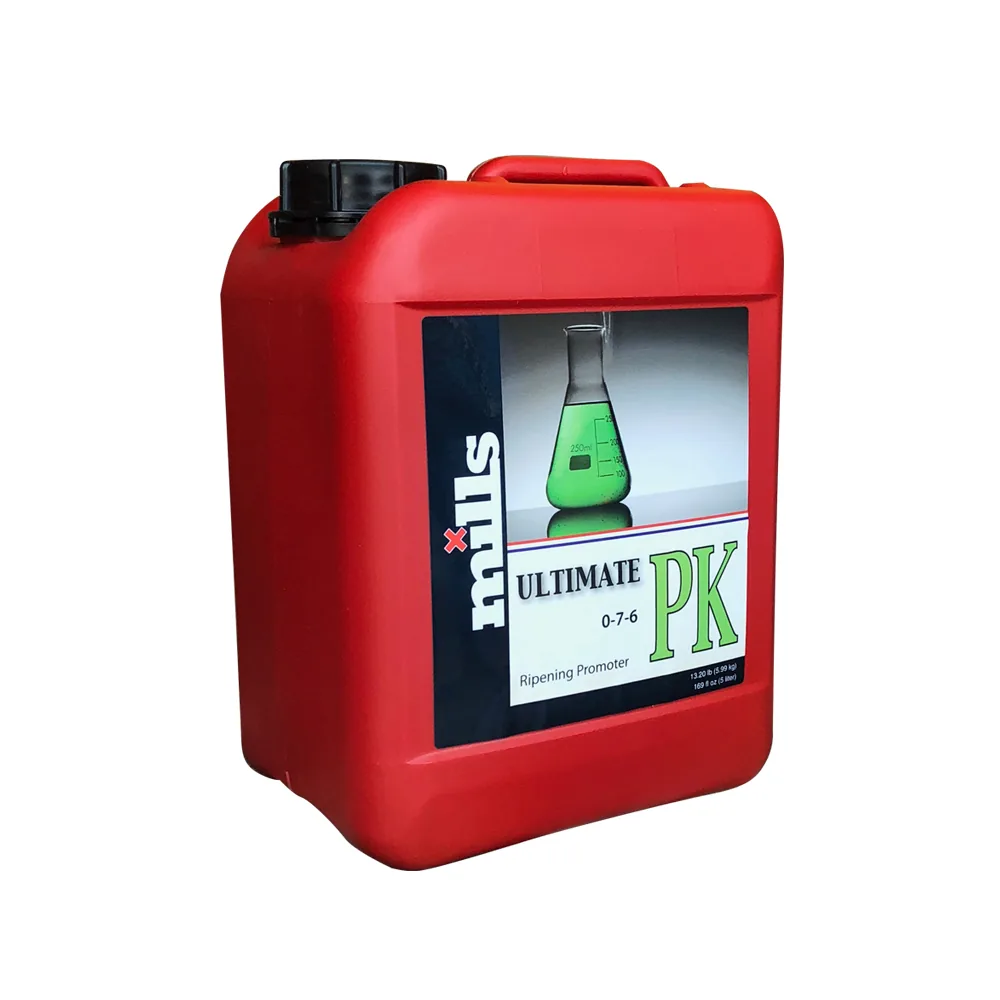
Mills Nutrients · Netherlands Mills Nutrients · เนเธอร์แลนด์ Mills Nutrients · Hà Lan
Ultimate PK Ultimate PK Ultimate PK
The bottle that makes your seed pack tell the truth. Phosphite chemistry delivers phosphorus to developing buds through the phloem when root uptake has plateaued. Same strain, same lights, same genetics — but finally producing the density you were sold on. Thai commercial buyers pay ฿/kg on density. This is the single most ฿/kg-affecting bottle in the Mills line. ขวดที่ทำให้ห่อเมล็ดบอกความจริง เคมีฟอสไฟต์ส่งฟอสฟอรัสถึงดอกที่พัฒนาผ่าน phloem เมื่อการดูดจากรากถึงที่ราบ พันธุ์เดิม ไฟเดิม พันธุกรรมเดิม — แต่ในที่สุดผลิตความหนาแน่นที่ถูกขาย ผู้ซื้อเชิงพาณิชย์ไทยจ่ายตามกิโลตามความหนาแน่น นี่คือขวดที่กระทบ ฿/กก. มากสุดในไลน์ Mills Chai khiến gói hạt nói sự thật. Hóa học phosphite giao phosphor đến búp phát triển qua phloem khi hấp rễ đã plateau. Cùng giống, cùng đèn, cùng di truyền — nhưng cuối cùng sản xuất mật độ được bán. Người mua thương mại Thái trả ฿/kg theo mật độ. Đây là chai ảnh hưởng ฿/kg nhiều nhất dòng Mills.
The density protocol for Thai commercial rooms
This is the exact schedule we give every Thai grower who's been losing money to airy buds. It assumes a 9-week flower cycle and a standard Mills base.
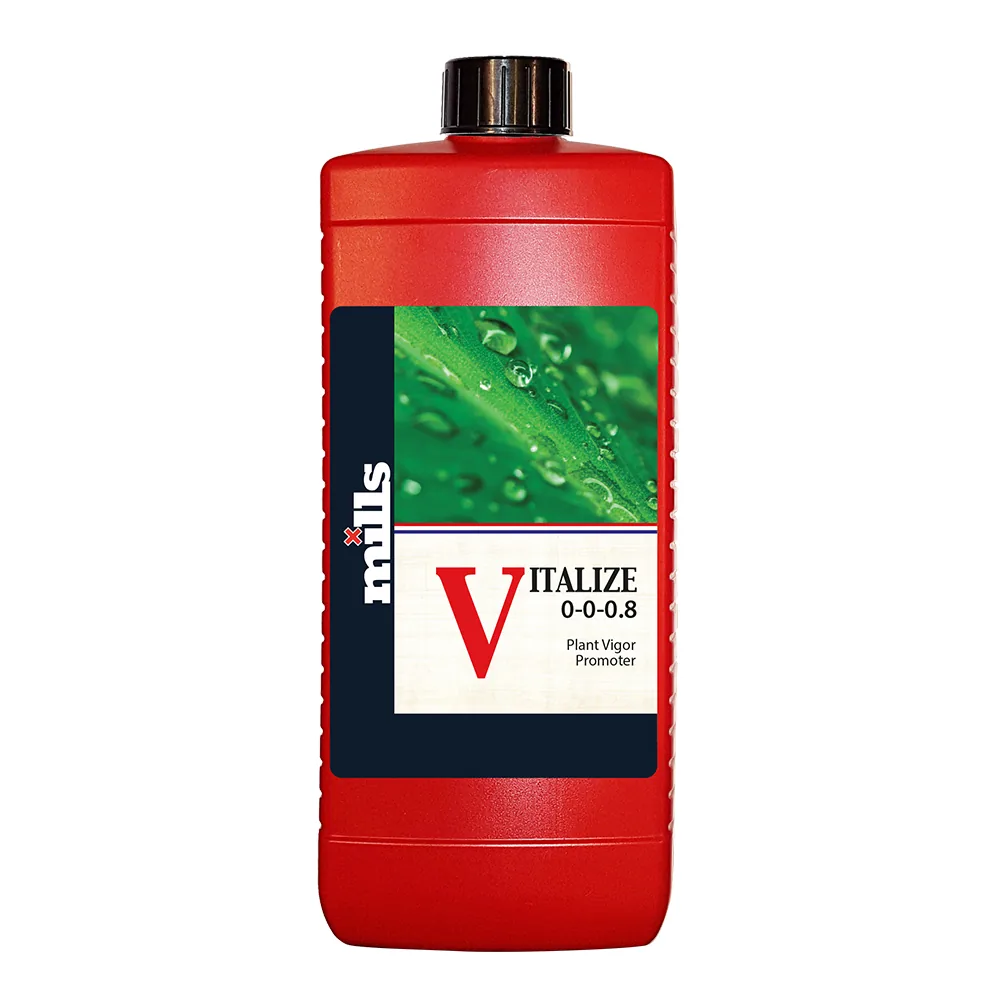
- Weeks 1–2 of flower: No Ultimate PK yet. Let stretch complete. Keep Vitalize 0.2 ml/L every feed.
- Week 3: Introduce Ultimate PK at 0.5 ml/L. The plant starts storing phosphite in leaf tissue for phloem redistribution.
- Week 4: Step up to 1.0 ml/L. Density starts visibly laying down.
- Weeks 5–6: Peak at 1.5–2.0 ml/L. This is the window where calyx stacking is decided. Do NOT skip a single feed.
- Week 7: Hold 1.5 ml/L. Final hardness locks in.
- Week 8: Taper to 0.5 ml/L or begin flush.
- Week 9: Plain water flush if your protocol includes one.
What else matters for density (and what doesn't)
Does matter
- Vitalize throughout. Silicon supports the structural wood under the calyxes that holds them in tight formation. Airy buds correlate strongly with silicon-poor grows.
- Canopy temperature control. Heat stress in weeks 5–7 redirects carbohydrate away from flower into heat-stress response. Keep canopy under 28°C.
- Mid-flower C4 at the right time. C4 in weeks 2–4 primes the metabolic pathway that Ultimate PK then capitalises on. See the C4 handoff article in the related section below.
- Stopping nitrogen-heavy feeds by week 4. Excess nitrogen in late flower causes the plant to prioritise leaf growth over flower structure. Taper your Basis A dose from week 4.
Doesn't matter as much as you think
- Light intensity beyond ~900 µmol/s PPFD. Beyond this, diminishing returns. Adding a second light bar to an already-bright room gives you 5% at most. Switching your PK chemistry gives you 20%+.
- Strain change. Unless your genetics are genuinely old or unstable, changing strains doesn't usually fix density — the next strain has the same feed-chart problem.
- CO₂ supplementation. Useful in sealed Dutch rooms. In most Thai commercial rooms with open-air exchange, the cost outweighs the gain for density purposes.
What you see at harvest
Buds that feel heavier per volume than last cycle. Calyxes stacked tight when you look at the bud from the side — you can barely see internodal space between them. Bract leaves small and tucked in. When you squeeze a bud between thumb and forefinger, it holds its shape and springs back slowly. Trichomes are present across the whole bud, not just the top third.
On the scale, dried weight is 15–25% higher than a comparable cycle without Ultimate PK. Wholesale price per kg often jumps by a greater percentage — Thai commercial buyers specifically grade on density, and the price curve is non-linear. A 20% density gain frequently translates to a 40–50% revenue gain at wholesale. This is why Ultimate PK earns back its cost roughly 10× over in its first cycle.
โปรโตคอลความหนาแน่นสำหรับห้องเชิงพาณิชย์ไทย
นี่คือตารางที่เราให้ผู้ปลูกไทยทุกคนที่เสียเงินกับดอกโปร่ง สันนิษฐานรอบดอก 9 สัปดาห์และฐาน Mills มาตรฐาน
- สัปดาห์ 1–2 ของดอก: ยังไม่มี Ultimate PK ให้ stretch เสร็จ คง Vitalize 0.2 มล./ล ทุกรอบ
- สัปดาห์ 3: เริ่ม Ultimate PK 0.5 มล./ล พืชเริ่มเก็บฟอสไฟต์ในเนื้อใบเพื่อกระจายผ่าน phloem
- สัปดาห์ 4: เพิ่ม 1.0 มล./ล ความหนาแน่นเริ่มสะสมเห็นชัด
- สัปดาห์ 5–6: จุดสูงสุด 1.5–2.0 มล./ล นี่คือช่วงที่ตัดสินการซ้อน calyx ห้ามข้ามรอบ
- สัปดาห์ 7: คง 1.5 มล./ล ความแข็งสุดท้ายล็อก
- สัปดาห์ 8: ลด 0.5 มล./ล หรือเริ่มล้าง
- สัปดาห์ 9: ล้างน้ำเปล่าถ้าโปรโตคอลมี
อะไรสำคัญอีกสำหรับความหนาแน่น (และอะไรไม่)
สำคัญ
- Vitalize ตลอด ซิลิกอนสนับสนุนไม้โครงสร้างใต้ calyxes ที่ยึดในรูปแน่น ดอกโปร่งสัมพันธ์กับการปลูกที่ขาดซิลิกอน
- ควบคุมอุณหภูมิยอดใบ เครียดร้อนในสัปดาห์ 5–7 เบี่ยงคาร์โบไฮเดรตออกจากดอกเข้าการตอบสนองร้อน คงยอดใบต่ำกว่า 28°C
- C4 ดอกกลางในเวลาที่ถูก C4 ในสัปดาห์ 2–4 เตรียมเส้นทางเมตาบอลิกที่ Ultimate PK ใช้ต่อ ดูบทความส่งมอบ C4 ในส่วนที่เกี่ยวข้องด้านล่าง
- หยุดอาหารไนโตรเจนหนักภายในสัปดาห์ 4 ไนโตรเจนเกินในปลายดอกทำให้พืชให้ความสำคัญการโตใบมากกว่าโครงสร้างดอก ลดโดส Basis A จากสัปดาห์ 4
ไม่สำคัญเท่าที่คิด
- ความเข้มแสงเกิน ~900 µmol/s PPFD เกินนี้ผลตอบแทนลด เพิ่มบาร์ไฟที่สองในห้องสว่างแล้ว 5% เต็มที่ เปลี่ยนเคมี PK ได้ 20%+
- เปลี่ยนพันธุ์ เว้นพันธุกรรมเก่าหรือไม่เสถียรจริง เปลี่ยนพันธุ์มักไม่แก้ความหนาแน่น — พันธุ์ถัดไปมีปัญหาตารางสูตรเดิม
- เสริม CO₂ มีประโยชน์ในห้องดัตช์ปิด ห้องเชิงพาณิชย์ไทยส่วนใหญ่ที่มีการแลกเปลี่ยนเปิด ต้นทุนเกินกำไรเพื่อความหนาแน่น
ที่เห็นตอนเก็บเกี่ยว
ดอกที่รู้สึกหนักต่อปริมาตรกว่ารอบที่แล้ว Calyxes ซ้อนแน่นเมื่อดูจากข้าง — เห็นช่องว่างระหว่างข้อยากมาก ใบ bract เล็กและซุก เมื่อบีบดอกระหว่างนิ้วโป้งกับนิ้วชี้ คงรูปและเด้งกลับช้า ไตรโคมอยู่ทั่วดอก ไม่ใช่แค่สามส่วนบน
บนตาชั่ง น้ำหนักแห้ง 15–25% สูงกว่ารอบเทียบเคียงไม่มี Ultimate PK ราคาขายส่งต่อกิโลมักโดดเปอร์เซ็นต์สูงกว่า — ผู้ซื้อเชิงพาณิชย์ไทยเกรดตามความหนาแน่นโดยเฉพาะ และเส้นราคาไม่ใช่เส้นตรง กำไรความหนาแน่น 20% บ่อยครั้งแปลเป็นกำไรรายได้ 40–50% ที่ขายส่ง นี่คือเหตุผลที่ Ultimate PK คืนต้นทุนราว 10 เท่าในรอบแรก
Giao thức mật độ cho phòng thương mại Thái
Đây là lịch chính xác chúng tôi đưa mọi người Thái đã mất tiền vì hoa rỗng. Giả định chu kỳ hoa 9 tuần và nền Mills chuẩn.
- Tuần 1–2 hoa: Chưa Ultimate PK. Để stretch xong. Giữ Vitalize 0.2 ml/L mỗi lần.
- Tuần 3: Giới thiệu Ultimate PK 0.5 ml/L. Cây bắt đầu trữ phosphite trong mô lá để tái phân bố qua phloem.
- Tuần 4: Bước lên 1.0 ml/L. Mật độ bắt đầu lắng nhìn thấy.
- Tuần 5–6: Đỉnh 1.5–2.0 ml/L. Đây là cửa sổ quyết định xếp calyx. KHÔNG bỏ một lần bón.
- Tuần 7: Giữ 1.5 ml/L. Độ cứng cuối khóa.
- Tuần 8: Giảm 0.5 ml/L hoặc bắt đầu flush.
- Tuần 9: Flush nước thuần nếu giao thức có.
Điều gì khác quan trọng cho mật độ (và điều gì không)
Quan trọng
- Vitalize xuyên suốt. Silicon hỗ trợ gỗ cấu trúc dưới calyx giữ chặt đội hình. Hoa rỗng tương quan mạnh với vụ nghèo silicon.
- Kiểm soát nhiệt tán. Stress nhiệt tuần 5–7 chuyển carbohydrate khỏi hoa sang phản ứng stress nhiệt. Giữ tán dưới 28°C.
- C4 giữa hoa đúng lúc. C4 tuần 2–4 chuẩn bị lộ trình chuyển hóa mà Ultimate PK tận dụng. Xem bài bàn giao C4 trong phần liên quan dưới.
- Dừng thức ăn nặng nitơ đến tuần 4. Dư nitơ cuối hoa khiến cây ưu tiên phát triển lá hơn cấu trúc hoa. Giảm liều Basis A từ tuần 4.
Không quan trọng như bạn nghĩ
- Cường độ đèn vượt ~900 µmol/s PPFD. Vượt, lợi giảm. Thêm bar đèn thứ hai vào phòng đã sáng cho 5% tối đa. Đổi hóa PK cho 20%+.
- Đổi giống. Trừ khi di truyền thật sự cũ hoặc không ổn, đổi giống thường không sửa mật độ — giống tiếp có cùng vấn đề lịch bón.
- Bổ sung CO₂. Hữu ích ở phòng Hà Lan kín. Phòng thương mại Thái hầu hết mở, chi phí vượt lợi cho mục đích mật độ.
Bạn thấy gì lúc thu
Hoa cảm thấy nặng hơn trên thể tích so chu kỳ trước. Calyx xếp chặt khi nhìn búp từ bên — hiếm khi thấy khoảng lóng giữa. Lá bract nhỏ và nhét. Khi bóp búp giữa ngón cái và trỏ, giữ hình và bật lại chậm. Trichome khắp búp, không chỉ phần ba trên.
Trên cân, trọng lượng khô 15–25% cao hơn chu kỳ so sánh không Ultimate PK. Giá bán buôn/kg thường nhảy phần trăm cao hơn — người mua thương mại Thái cụ thể đánh giá theo mật độ, và đường giá không tuyến tính. Lợi mật độ 20% thường dịch 40–50% lợi doanh thu ở bán buôn. Đây là lý do Ultimate PK hoàn vốn khoảng 10 lần trong chu kỳ đầu.
Questions growers ask after reading this คำถามที่ผู้ปลูกถามหลังอ่าน Câu hỏi sau khi đọc bài này
-
Isn't airy bud structure mostly a genetics problem?โครงสร้างดอกโปร่งส่วนใหญ่เป็นเรื่องพันธุกรรมไม่ใช่เหรอ?Cấu trúc hoa rỗng chủ yếu là vấn đề di truyền?
Genetics set the ceiling — but most Thai grows run well below the ceiling because of feed-chart issues, not genetic ones. Same strain on phosphite PK typically produces 20%+ denser buds than on conventional PK. Airy across multiple strains = feed problem, not seed problem. พันธุกรรมตั้งเพดาน — แต่การปลูกไทยส่วนใหญ่รันต่ำกว่าเพดานเพราะปัญหาตารางสูตร ไม่ใช่พันธุกรรม พันธุ์เดิมบน PK ฟอสไฟต์ผลิตดอกแน่นกว่า 20%+ กว่า PK ทั่วไป โปร่งหลายพันธุ์ = ปัญหาปุ๋ย ไม่ใช่เมล็ด Di truyền đặt trần — nhưng hầu hết vụ Thái chạy dưới trần vì vấn đề lịch bón, không di truyền. Cùng giống trên PK phosphite thường sản xuất búp đậm 20%+ hơn PK thông thường. Rỗng qua nhiều giống = vấn đề ăn, không hạt.
-
What about my lights? I've heard HPS gives fluffier buds.ไฟของผมล่ะ? ได้ยินว่า HPS ให้ดอกฟูกว่าĐèn của tôi? Nghe nói HPS cho hoa xốp hơn.
Light intensity matters for internodal spacing during stretch — but density in the last four weeks is a nutrient question, not a lighting question. 800 µmol/s on good phosphite chemistry outperforms 1200 µmol/s on conventional PK. ความเข้มแสงสำคัญสำหรับระยะข้อระหว่าง stretch — แต่ความหนาแน่นใน 4 สัปดาห์สุดท้ายคือคำถามธาตุ ไม่ใช่ไฟ 800 µmol/s บนเคมีฟอสไฟต์ดีชนะ 1200 µmol/s บน PK ทั่วไป Cường độ đèn quan trọng cho khoảng lóng trong stretch — nhưng mật độ trong 4 tuần cuối là câu hỏi dinh dưỡng, không phải đèn. 800 µmol/s trên hóa phosphite tốt vượt 1200 µmol/s trên PK thông thường.
-
Can I fix airy buds mid-cycle or wait for next run?แก้ดอกโปร่งกลางรอบได้ หรือต้องรอรอบต่อไป?Sửa hoa rỗng giữa chu kỳ được, hay đợi chu kỳ tới?
Week 4 or earlier: yes, start Ultimate PK now and see improvement in the final weeks. Week 6+: too late this cycle; structural bud formation is committed. Plan the switch for next run. สัปดาห์ 4 หรือเร็วกว่า: ใช่ เริ่ม Ultimate PK ตอนนี้และเห็นการปรับปรุงในสัปดาห์สุดท้าย สัปดาห์ 6+: ช้าเกินรอบนี้ การก่อตัวโครงสร้างดอกตัดสินแล้ว วางแผนสลับรอบถัดไป Tuần 4 hoặc sớm hơn: có, bắt đầu Ultimate PK bây giờ và thấy cải thiện tuần cuối. Tuần 6+: quá muộn chu kỳ này; hình thành cấu trúc búp đã cam kết. Lập kế hoạch chuyển lần tới.
-
Do I need both C4 and Ultimate PK, or just one?ต้องใช้ทั้ง C4 และ Ultimate PK หรือแค่หนึ่ง?Cần cả C4 và Ultimate PK, hay chỉ một?
Both, at different times. C4 is the mid-flower booster (weeks 2–4) laying the metabolic groundwork. Ultimate PK is the late-flower finisher (weeks 3–7) delivering density. Commercial growers running both typically see 25–35% weight gain over base-only feed. ทั้งคู่ ต่างเวลา C4 เป็นบูสเตอร์ดอกกลาง (สัปดาห์ 2–4) วางพื้นฐานเมตาบอลิก Ultimate PK เป็นตัวจบปลายดอก (สัปดาห์ 3–7) ส่งความหนาแน่น ผู้ปลูกเชิงพาณิชย์ที่รันทั้งคู่เห็นกำไรน้ำหนัก 25–35% เหนือฐานอย่างเดียว Cả hai, thời điểm khác. C4 là booster giữa hoa (tuần 2–4) đặt nền chuyển hóa. Ultimate PK là finisher cuối hoa (tuần 3–7) giao mật độ. Người trồng thương mại chạy cả hai thường thấy lợi trọng lượng 25–35% trên nền đơn.
Phosphite vs phosphate: why Ultimate PK hits different ฟอสไฟต์ vs ฟอสเฟต: ทำไม Ultimate PK ต่าง Phosphite vs phosphate: vì sao Ultimate PK khác
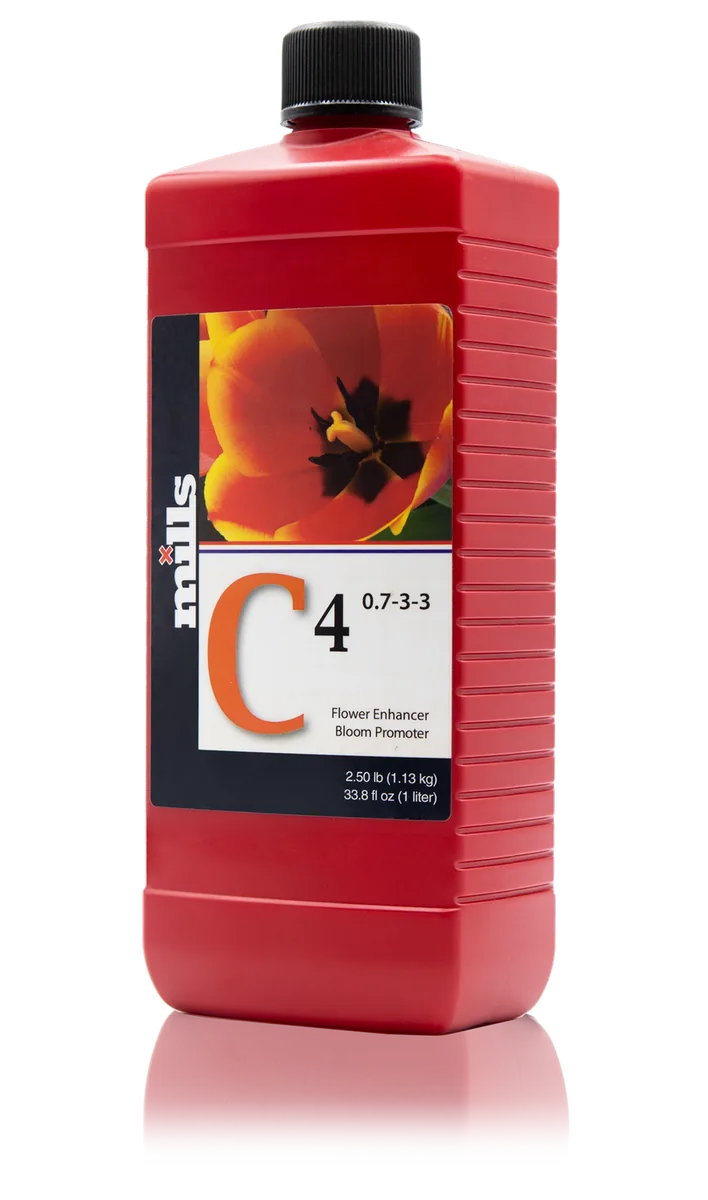
Mid-flower booster run too late? The C4-to-Ultimate-PK handoff. บูสเตอร์ดอกกลางช้าไป? การส่งมอบ C4 ถึง Ultimate PK Booster hoa giữa muộn? Bàn giao C4 sang Ultimate PK.