Why your base nutrient
comes in two bottles.
ทำไมปุ๋ยฐาน
มี สองขวด
Vì sao dinh dưỡng nền
có hai chai.
It's not Dutch over-engineering. It's chemistry. Calcium and phosphate can't share a concentrated bottle without forming gypsum. Every single-bottle base on the Thai market has compromised one half of the feed to avoid this — and your plant feels the compromise. ไม่ใช่วิศวกรรมเกินของดัตช์ เป็นเคมี แคลเซียมกับฟอสเฟตอยู่ขวดเข้มข้นเดียวกันไม่ได้โดยไม่เกิดยิปซัม ปุ๋ยฐานขวดเดียวทุกยี่ห้อในตลาดไทยยอมทิ้งครึ่งหนึ่งของสูตรเพื่อเลี่ยงเรื่องนี้ — และพืชของคุณรู้สึก Không phải Hà Lan cầu kỳ. Là hóa học. Canxi và phosphate không thể chung một chai đậm đặc mà không tạo thạch cao. Mọi dinh dưỡng nền một chai trên thị trường Thái đã hy sinh một nửa công thức để tránh điều này — và cây của bạn cảm nhận được.
Calcium + phosphate in concentrated solution = calcium phosphate, which precipitates out. Bottle A holds calcium + trace elements. Bottle B holds phosphate + sulfate + magnesium. They only meet in your tank, diluted 1000× — below the precipitation threshold. Single-bottle bases cheat by lowering calcium, chelating it at extra cost, or dropping phosphate and forcing you to buy a separate PK all cycle. Dutch two-bottle chemistry is the only way to deliver both halves at the dose the plant actually needs. แคลเซียม + ฟอสเฟตในสารละลายเข้มข้น = แคลเซียมฟอสเฟต ที่ตกตะกอน ขวด A เก็บแคลเซียม + จุลธาตุ ขวด B เก็บฟอสเฟต + ซัลเฟต + แมกนีเซียม ทั้งสองเจอกันแค่ในถัง เจือจาง 1000 เท่า — ใต้เกณฑ์การตกตะกอน ปุ๋ยฐานขวดเดียวโกงโดยลดแคลเซียม หรือคีเลตเสียเพิ่ม หรือตัดฟอสเฟตและบังคับคุณซื้อ PK แยกทั้งรอบ เคมีสองขวดดัตช์เป็นทางเดียวที่ส่งทั้งสองครึ่งในโดสที่พืชต้องการจริง Canxi + phosphate trong dung dịch đậm đặc = canxi phosphate, kết tủa ra. Chai A chứa canxi + vi lượng. Chai B chứa phosphate + sulfate + magiê. Chỉ gặp nhau trong bồn, pha loãng 1000× — dưới ngưỡng kết tủa. Dinh dưỡng nền một chai gian lận bằng cách giảm canxi, chelate đắt thêm, hoặc bỏ phosphate và buộc bạn mua PK riêng cả chu kỳ. Hóa học hai chai Hà Lan là cách duy nhất giao cả hai nửa ở liều cây thực sự cần.
Most Thai growers starting out see two bottles marked "A" and "B" and assume it's a Dutch quirk — some kind of marketing split, or one bottle for veg and one for flower, or an A/B test of which one the plant likes. It's none of those. A and B have to be separated because they contain ions that destroy each other in concentrated form. If a manufacturer sells you a single-bottle base, they've already done something to stop that destruction from happening — and that "something" costs your plant.
This article is the chemistry most nutrient companies don't want you reading, because once you understand it you stop buying the cheap single-bottle base on your hydro-shop shelf.
The reaction that kills single-bottle bases
When calcium (Ca²⁺) meets phosphate (HPO₄²⁻) in a concentrated solution, they form calcium phosphate — the same white insoluble compound that makes kidney stones and scale on your shower head. In a concentrated nutrient bottle, this precipitation is fast and permanent. Once it drops out of solution, there is no way to get it back without acid and heat — neither of which you'll do in your grow room.
The same bottle also can't safely hold calcium and sulfate in high concentration. Ca²⁺ + SO₄²⁻ = gypsum (CaSO₄). Gypsum is why drywall exists. It's also why your single-bottle base has less calcium and less sulfate than a properly-split feed.
In your grow tank, the story changes. You've diluted the bottles by a factor of roughly 1000 — a 3 ml/L dose into 300 L of water means every calcium ion is now surrounded by thousands of water molecules before it ever sees a phosphate ion. Below this concentration, the precipitation reaction is slow enough that the plant uptakes the ions before they can find each other.
How the Dutch two-bottle system solves it
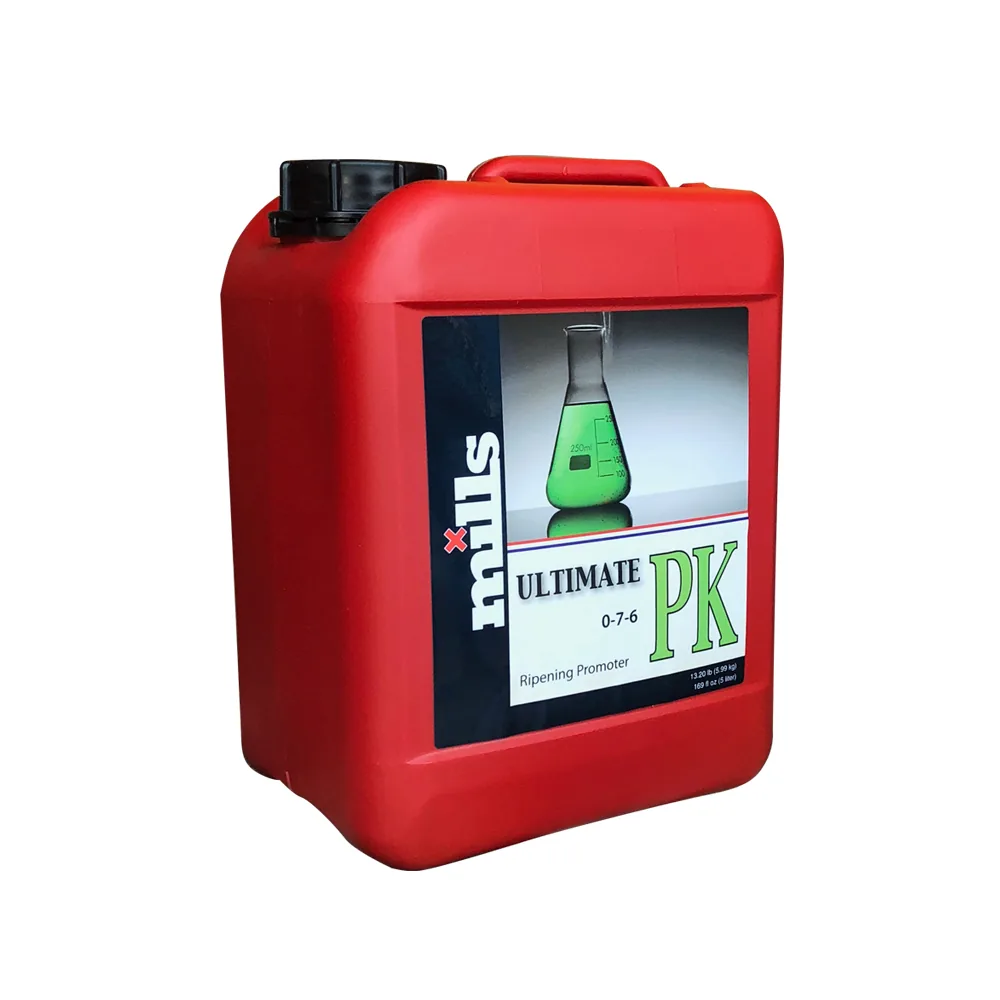
Mills Basis A contains: calcium nitrate (the calcium), potassium nitrate, ammonium nitrate, iron-DTPA chelate, and a cocktail of trace elements (Mn, Zn, Cu, B, Mo). No phosphate. No sulfate at meaningful concentration.
Mills Basis B contains: monopotassium phosphate (the phosphate), magnesium sulfate, potassium sulfate, and a secondary iron chelate. No calcium.
Both bottles are stable for years at concentration. They only meet — briefly, and already diluted — when you pour them into a circulating tank. By the time a phosphate ion from B encounters a calcium ion from A, they're in 1:1000 dilution, moving through the plant's root zone, and being uptaken faster than they can precipitate.
- Bottle A: calcium + nitrogen + trace elements. pH-stable on the acid side.
- Bottle B: phosphate + sulfate + magnesium. pH-stable on the slightly-alkaline side.
- Dosing order: A first, circulate 30 seconds, then B. Never the reverse. Never pour one directly into the other.
- Dose ratio: 1:1 through veg and flower. Mills's magic is that you don't change the ratio — just the total volume and the additives stacked on top.
What single-bottle bases are really doing
There are three ways to get calcium and phosphate into one bottle without precipitation, and every single-bottle nutrient line uses one of them — usually without saying so on the label.
Method 1: lower the calcium. Drop calcium from ~180 ppm to ~60 ppm and the precipitation reaction is slow enough to survive a bottle's shelf life. Your plant now gets a third of the calcium a proper base delivers. On Thai purified water (which is already calcium-starved), this is a disaster. Tip burn, weak stems, blossom-end rot on fruiting crops.
Method 2: chelate the calcium. Wrap every calcium ion in an organic molecule (EDTA, EDDHA, or similar) so it can't react with phosphate. This works — but chelated calcium costs 10–20× more than calcium nitrate, and the chelate itself has to be metabolised before the plant can use the calcium. Single-bottle manufacturers using this method price their bottles accordingly and still deliver less usable calcium per dollar.
Method 3: drop the phosphate. Some single-bottle bases run with very low phosphate — enough for veg, nowhere near enough for flower. You're then told to "add a PK booster throughout flower" and you end up buying two bottles anyway, except you're now buying a weak base + a compensating PK, instead of a proper base with a targeted PK booster.
All three methods cost you money, yield, or both. Dutch two-bottle chemistry is the one honest answer.
ผู้ปลูกไทยส่วนใหญ่เริ่มต้นเห็นสองขวดที่มี "A" กับ "B" และเดาว่าเป็นเรื่องแปลกของดัตช์ — แยกการตลาดบ้าง หรือขวดหนึ่งสำหรับ veg อีกขวดสำหรับดอก หรือ A/B test ว่าต้นชอบไหน ไม่ใช่เลยสักอัน A กับ B ต้องแยกเพราะมีไอออนที่ทำลายกันในรูปเข้มข้น ถ้าผู้ผลิตขายขวดเดียว แปลว่าเขาทำอะไรบางอย่างไปแล้วเพื่อหยุดการทำลายนั้น — และ "สิ่งนั้น" แลกด้วยพืชของคุณ
บทความนี้คือเคมีที่บริษัทปุ๋ยส่วนใหญ่ไม่อยากให้คุณอ่าน เพราะพอคุณเข้าใจ คุณหยุดซื้อปุ๋ยฐานขวดเดียวราคาถูกบนชั้นร้านไฮโดร
ปฏิกิริยาที่ฆ่าปุ๋ยฐานขวดเดียว
เมื่อแคลเซียม (Ca²⁺) เจอฟอสเฟต (HPO₄²⁻) ในสารละลายเข้มข้น เกิด แคลเซียมฟอสเฟต — สารสีขาวไม่ละลายตัวเดียวกับที่ทำนิ่วในไต และคราบตะกอนบนฝักบัว ในขวดปุ๋ยเข้มข้น การตกตะกอนนี้เร็วและถาวร พอหลุดจากสารละลาย ไม่มีทางเอากลับโดยไม่มีกรดและความร้อน — ซึ่งคุณไม่ทำในห้องปลูก
ขวดเดียวกันยังเก็บแคลเซียมกับซัลเฟตความเข้มข้นสูงอย่างปลอดภัยไม่ได้ Ca²⁺ + SO₄²⁻ = ยิปซัม (CaSO₄) ยิปซัมคือสาเหตุที่มีแผ่นยิปบอร์ด และเป็นเหตุผลที่ปุ๋ยฐานขวดเดียวของคุณมีแคลเซียมและซัลเฟตน้อยกว่าปุ๋ยแยกขวดที่เหมาะสม
ในถังปลูก เรื่องเปลี่ยน คุณเจือจางขวดราว 1000 เท่า — โดส 3 มล./ล ในน้ำ 300 ล. หมายความว่าไอออนแคลเซียมทุกตัวล้อมรอบด้วยโมเลกุลน้ำหลายพันก่อนเจอไอออนฟอสเฟต ใต้ความเข้มข้นนี้ ปฏิกิริยาตกตะกอนช้าพอที่พืชดูดไอออนก่อนเจอกัน
ระบบสองขวดดัตช์แก้ปัญหาอย่างไร
Mills Basis A มี: แคลเซียมไนเตรต (แคลเซียม) โปแทสเซียมไนเตรต แอมโมเนียมไนเตรต เหล็ก-DTPA คีเลต และจุลธาตุ (Mn, Zn, Cu, B, Mo) ไม่มีฟอสเฟต ไม่มีซัลเฟตเข้มข้นนัก
Mills Basis B มี: โมโนโปแทสเซียมฟอสเฟต (ฟอสเฟต) แมกนีเซียมซัลเฟต โปแทสเซียมซัลเฟต และเหล็กคีเลตรอง ไม่มีแคลเซียม
ทั้งสองขวดเสถียรหลายปีที่ความเข้มข้น เจอกันแค่ — สั้น ๆ และเจือจางแล้ว — เมื่อเทลงถังที่หมุนเวียน พอไอออนฟอสเฟตจาก B เจอแคลเซียมจาก A ทั้งคู่เจือจาง 1:1000 เคลื่อนผ่านโซนรากพืช และถูกดูดเร็วกว่าจะตกตะกอน
- ขวด A: แคลเซียม + ไนโตรเจน + จุลธาตุ เสถียร pH ด้านกรด
- ขวด B: ฟอสเฟต + ซัลเฟต + แมกนีเซียม เสถียร pH ด้านด่างเล็กน้อย
- ลำดับการโดส: A ก่อน หมุน 30 วินาที แล้ว B ห้ามสลับ ห้ามเท A ลง B ตรง ๆ
- อัตราส่วน: 1:1 ตลอด veg และดอก ความเวทมนตร์ของ Mills คือคุณไม่เปลี่ยนอัตราส่วน — แค่ปริมาตรรวมและสารเสริมที่ซ้อนบน
ขวดเดียวทำอะไรจริง ๆ
มีสามวิธีใส่แคลเซียมและฟอสเฟตในขวดเดียวโดยไม่ตกตะกอน และทุกสายปุ๋ยขวดเดียวใช้หนึ่งในนั้น — มักไม่บอกบนฉลาก
วิธี 1: ลดแคลเซียม ลดแคลเซียมจาก ~180 ppm เป็น ~60 ppm ปฏิกิริยาตกตะกอนช้าพอรอดอายุขวด พืชของคุณตอนนี้ได้แคลเซียมแค่หนึ่งในสามของปุ๋ยฐานที่เหมาะสม บนน้ำกรองไทย (ที่ขาดแคลเซียมอยู่แล้ว) นี่คือหายนะ ใบไหม้ปลาย ลำต้นอ่อน blossom-end rot ในพืชผล
วิธี 2: คีเลตแคลเซียม ห่อทุกไอออนแคลเซียมในโมเลกุลอินทรีย์ (EDTA, EDDHA, หรือคล้าย) ให้ทำปฏิกิริยากับฟอสเฟตไม่ได้ ใช้ได้ — แต่แคลเซียมคีเลตราคา 10–20 เท่าของแคลเซียมไนเตรต และคีเลตเองต้องถูกเมแทบอไลซ์ก่อนพืชใช้แคลเซียมได้ ผู้ผลิตขวดเดียววิธีนี้ตั้งราคาตามและยังส่งแคลเซียมใช้งานต่อบาทน้อยกว่า
วิธี 3: ตัดฟอสเฟต ปุ๋ยฐานขวดเดียวบางยี่ห้อใช้ฟอสเฟตต่ำมาก — พอ veg ไม่พอใกล้เลยสำหรับดอก คุณถูกบอก "ใส่ PK booster ตลอดดอก" และจบด้วยซื้อสองขวดอยู่ดี ยกเว้นคุณซื้อปุ๋ยฐานอ่อน + PK ชดเชย แทนปุ๋ยฐานที่เหมาะสม + PK booster เจาะจง
ทั้งสามวิธีแลกด้วยเงิน ผลผลิต หรือทั้งคู่ เคมีสองขวดดัตช์คือคำตอบซื่อสัตย์เดียว
Hầu hết người trồng Thái mới bắt đầu thấy hai chai "A" và "B" và đoán là kiểu quái lạ Hà Lan — chia tiếp thị, hoặc một chai cho veg một cho hoa, hoặc A/B test xem cây thích cái nào. Không phải cái nào cả. A và B phải tách vì chứa ion phá hủy lẫn nhau ở dạng đậm đặc. Nếu nhà sản xuất bán bạn chai đơn, họ đã làm điều gì đó để ngăn sự phá hủy — và "điều đó" trả giá bằng cây của bạn.
Bài này là hóa học hầu hết công ty dinh dưỡng không muốn bạn đọc, vì hiểu xong bạn ngừng mua dinh dưỡng nền một chai rẻ trên kệ hydro shop.
Phản ứng giết nền một chai
Khi canxi (Ca²⁺) gặp phosphate (HPO₄²⁻) trong dung dịch đậm đặc, tạo canxi phosphate — cùng hợp chất trắng không tan tạo sỏi thận và cặn vòi sen. Trong chai dinh dưỡng đậm đặc, kết tủa này nhanh và vĩnh viễn. Khi rời dung dịch, không cách nào lấy lại mà không có axit và nhiệt — không cái nào bạn làm trong phòng vườn.
Cùng chai cũng không giữ an toàn canxi và sulfate ở đậm đặc cao. Ca²⁺ + SO₄²⁻ = thạch cao (CaSO₄). Thạch cao là vì sao có vách thạch cao. Cũng là vì sao nền một chai của bạn có canxi và sulfate ít hơn dinh dưỡng tách đúng.
Trong bồn vườn, câu chuyện đổi. Bạn pha loãng chai khoảng 1000× — liều 3 ml/L vào 300 L nước nghĩa là mọi ion canxi bị hàng ngàn phân tử nước bao quanh trước khi gặp ion phosphate. Dưới nồng độ này, phản ứng kết tủa đủ chậm để cây hấp ion trước khi chúng gặp nhau.
Hệ hai chai Hà Lan giải quyết thế nào
Mills Basis A chứa: canxi nitrat (canxi), kali nitrat, amoni nitrat, chelate sắt DTPA, và cocktail vi lượng (Mn, Zn, Cu, B, Mo). Không phosphate. Không sulfate ở nồng độ đáng kể.
Mills Basis B chứa: mono kali phosphate (phosphate), magiê sulfate, kali sulfate, và chelate sắt phụ. Không canxi.
Cả hai chai ổn định nhiều năm ở đậm đặc. Chỉ gặp nhau — ngắn gọn, đã pha loãng — khi đổ vào bồn tuần hoàn. Khi ion phosphate từ B gặp ion canxi từ A, cả hai pha loãng 1:1000, di chuyển qua vùng rễ cây, và được hấp nhanh hơn là kết tủa.
- Chai A: canxi + nitơ + vi lượng. Ổn định pH bên axit.
- Chai B: phosphate + sulfate + magiê. Ổn định pH bên hơi kiềm.
- Thứ tự bón: A trước, tuần hoàn 30 giây, rồi B. Không bao giờ ngược. Không đổ cái này vào cái kia trực tiếp.
- Tỷ lệ liều: 1:1 qua veg và hoa. Điều kỳ diệu Mills là bạn không đổi tỷ lệ — chỉ tổng khối lượng và phụ gia xếp chồng bên trên.
Nền một chai thực sự đang làm gì
Có ba cách đưa canxi và phosphate vào một chai không kết tủa, và mọi dòng dinh dưỡng một chai dùng một trong số đó — thường không nói trên nhãn.
Cách 1: giảm canxi. Giảm canxi từ ~180 ppm xuống ~60 ppm và phản ứng kết tủa đủ chậm sống qua hạn dùng chai. Cây bạn giờ chỉ được một phần ba canxi nền đúng giao. Trên nước lọc Thái (vốn đã thiếu canxi), đây là thảm họa. Cháy đầu, thân yếu, blossom-end rot trên cây ăn quả.
Cách 2: chelate canxi. Bọc mọi ion canxi trong phân tử hữu cơ (EDTA, EDDHA, hay tương tự) để không phản ứng với phosphate. Hoạt động — nhưng canxi chelate tốn 10–20× canxi nitrat, và chelate phải được chuyển hóa trước khi cây dùng canxi. Nhà sản xuất một chai dùng cách này định giá theo và vẫn giao canxi dùng được trên mỗi đồng ít hơn.
Cách 3: bỏ phosphate. Một số nền một chai chạy phosphate rất thấp — đủ veg, không gần đủ hoa. Bạn được bảo "thêm PK booster suốt hoa" và cuối cùng mua hai chai dù sao, trừ giờ bạn mua nền yếu + PK bù, thay vì nền đúng với PK booster nhắm.
Cả ba cách trả giá bằng tiền, năng suất, hoặc cả hai. Hóa học hai chai Hà Lan là câu trả lời trung thực duy nhất.
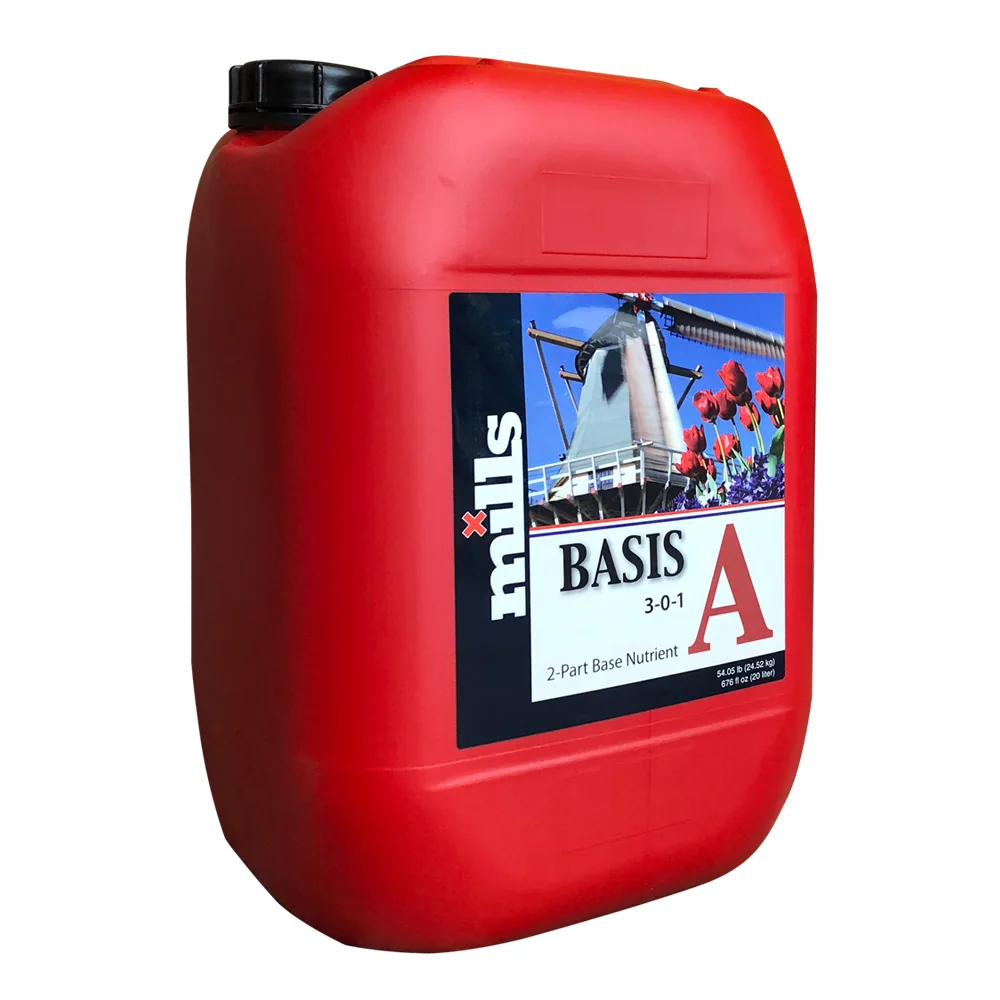
Mills Nutrients · Netherlands Mills Nutrients · เนเธอร์แลนด์ Mills Nutrients · Hà Lan
Basis A + B Basis A + B Basis A + B
The only base nutrient that doesn't compromise calcium or phosphate to fit in one bottle. Two-part bio-mineral formulation: A delivers calcium and trace elements, B delivers phosphate, sulfate and magnesium. Dosed 1:1 from week one of veg through late flower. Fully compatible with Thai tap, purified water, and reverse-osmosis setups. Every Dutch commercial grow runs this exact chemistry — because there isn't a cheaper way to get both halves of the feed to the plant in the concentrations it actually needs. ปุ๋ยฐานเดียวที่ไม่ยอมลดแคลเซียมหรือฟอสเฟตเพื่อใส่ขวดเดียว สูตรไบโอ-มิเนอรัลสองส่วน: A ส่งแคลเซียมและจุลธาตุ B ส่งฟอสเฟต ซัลเฟต และแมกนีเซียม โดส 1:1 จากสัปดาห์แรก veg ถึงดอกปลาย เข้ากันได้กับน้ำประปาไทย น้ำกรอง และชุด RO ทุกฟาร์มเชิงพาณิชย์ดัตช์รันเคมีนี้ — เพราะไม่มีทางถูกกว่าในการส่งทั้งสองครึ่งของสูตรถึงพืชที่ความเข้มข้นที่พืชต้องการจริง Dinh dưỡng nền duy nhất không hy sinh canxi hay phosphate để vừa một chai. Công thức bio-mineral hai phần: A giao canxi và vi lượng, B giao phosphate, sulfate và magiê. Liều 1:1 từ tuần một veg đến cuối hoa. Tương thích đầy đủ với máy Thái, nước lọc, và thiết lập RO. Mọi vườn thương mại Hà Lan chạy đúng hóa học này — vì không có cách rẻ hơn để đưa cả hai nửa công thức đến cây ở nồng độ cây thực sự cần.
What you should do
If you're currently running a single-bottle base, run one cycle of Basis A+B on one plant or one row, and leave the single-bottle base on an identical control. Same water, same strain, same light, same environment. Photograph both at harvest. Weigh dried flower from each.
This is the test every commercial Thai grower who's switched has run — and in every case we've tracked, they don't go back. The ฿600-per-cycle savings of a single-bottle base disappear the first time you see the bud-density gap.
How Basis stacks with the rest of the line
Basis A+B is the foundation. Everything else in the Mills line is a targeted addition on top of this two-bottle base:
- Start R replaces Basis during weeks 1–2 of a seedling or clone, then hands off to Basis as the plant ramps.
- CalMag boosts the calcium half of Basis when you're running purified water or a high-EC Thai tap — filling the gap without changing the 1:1 ratio.
- Vitalize runs alongside Basis every feed. The silicon builds the tissue that calcium moves through, multiplying what Basis delivers.
- C4 and Ultimate PK layer on Basis during mid-to-late flower — they don't replace the base, they amplify a specific window of it.
The whole Mills system is designed around Basis A+B being correct. If your base is wrong, nothing else in your feed rescues it — the plant doesn't get what it needs in weeks 1–8 regardless of what you pour on top.
The tank-mix rule that protects both bottles
Every grower eventually pours A into B — or B into A — and watches the tank turn cloudy or a white crust form on the bottom. Here's the rule that stops it:
- Fill tank with your base water and start circulation.
- Pour A only. Wait 30 seconds. Tank should stay clear.
- Pour B only. Wait 30 seconds. Tank should stay clear.
- pH-adjust last, after both are dissolved.
Never pour concentrated A into concentrated B. The moment two undiluted streams touch, you form the same calcium phosphate precipitate the two-bottle system exists to prevent. That precipitate is lost nutrient — it will not come back into solution even after you dilute the tank.
ควรทำอะไร
ถ้าตอนนี้รันปุ๋ยฐานขวดเดียว รันรอบ Basis A+B หนึ่งบนหนึ่งต้นหรือหนึ่งแถว และเก็บขวดเดียวบนควบคุมเหมือนกัน น้ำเดิม สายพันธุ์เดิม แสงเดิม สิ่งแวดล้อมเดิม ถ่ายทั้งคู่ตอนเก็บเกี่ยว ชั่งดอกแห้งแต่ละต้น
นี่คือการทดสอบที่ผู้ปลูกเชิงพาณิชย์ไทยทุกคนที่เปลี่ยนรัน — และทุกกรณีที่เราติดตาม ไม่กลับ ประหยัด ฿600 ต่อรอบของขวดเดียวหายไปครั้งแรกที่เห็นช่องความหนาแน่นของดอก
Basis ซ้อนกับไลน์อื่นยังไง
Basis A+B คือรากฐาน ทุกอย่างอื่นในไลน์ Mills คือการเพิ่มเจาะจงบนสองขวดนี้:
- Start R แทน Basis ในสัปดาห์ 1–2 ของเมล็ด/โคลน แล้วส่งต่อให้ Basis ตอนพืชเร่ง
- CalMag หนุนครึ่งแคลเซียมของ Basis เมื่อรันน้ำกรองหรือน้ำประปาไทย EC สูง — เติมช่องโดยไม่เปลี่ยนอัตราส่วน 1:1
- Vitalize รันคู่ Basis ทุกรอบ ซิลิกอนสร้างเนื้อเยื่อที่แคลเซียมเคลื่อน ทวีคูณสิ่งที่ Basis ส่ง
- C4 และ Ultimate PK ซ้อน Basis ช่วงดอกกลางถึงปลาย — ไม่แทนฐาน ขยายช่วงเวลาเฉพาะ
ระบบ Mills ทั้งหมดออกแบบรอบ Basis A+B ถูก ถ้าฐานผิด ไม่มีอะไรอื่นในสูตรช่วย — พืชไม่ได้สิ่งที่ต้องการในสัปดาห์ 1–8 ไม่ว่าคุณเทอะไรด้านบน
กฎผสมถังที่ปกป้องทั้งสองขวด
ผู้ปลูกทุกคนในที่สุดเทเ A ลง B — หรือ B ลง A — และเห็นถังขุ่นหรือคราบขาวก้นถัง นี่คือกฎที่หยุด:
- เติมถังด้วยน้ำฐานและเริ่มหมุนเวียน
- เท A เท่านั้น รอ 30 วินาที ถังควรใส
- เท B เท่านั้น รอ 30 วินาที ถังควรใส
- ปรับ pH สุดท้าย หลังทั้งคู่ละลาย
ห้ามเท A เข้มข้นลง B เข้มข้น วินาทีที่สองสายไม่เจือจางสัมผัส เกิดแคลเซียมฟอสเฟตตกตะกอนเดียวกับที่ระบบสองขวดมีไว้ป้องกัน ตะกอนนั้นคือปุ๋ยที่หาย — ไม่กลับเข้าสารละลายแม้คุณเจือจางถัง
Bạn nên làm gì
Nếu hiện chạy nền một chai, chạy một chu kỳ Basis A+B trên một cây hoặc một hàng, và giữ nền một chai trên đối chứng giống hệt. Cùng nước, cùng giống, cùng đèn, cùng môi trường. Chụp cả hai lúc thu. Cân hoa khô mỗi cây.
Đây là thử mọi người trồng thương mại Thái đã chuyển đã chạy — và mọi trường hợp chúng tôi theo dõi, không quay lại. Khoản tiết kiệm ฿600 mỗi chu kỳ của nền một chai biến mất lần đầu bạn thấy chênh lệch mật độ búp.
Basis xếp chồng với phần còn lại của dòng
Basis A+B là nền tảng. Mọi thứ khác trong dòng Mills là bổ sung nhắm trên hai chai này:
- Start R thay Basis trong tuần 1–2 của hạt/cành giâm, rồi chuyển giao cho Basis khi cây tăng tốc.
- CalMag tăng nửa canxi của Basis khi chạy nước lọc hoặc nước máy Thái EC cao — lấp khoảng trống không đổi tỷ lệ 1:1.
- Vitalize chạy cùng Basis mỗi lần bón. Silicon xây mô canxi di chuyển qua, nhân điều Basis giao.
- C4 và Ultimate PK xếp trên Basis giữa-đến-cuối hoa — không thay nền, khuếch đại cửa sổ cụ thể.
Toàn hệ Mills thiết kế quanh Basis A+B đúng. Nếu nền sai, không gì khác trong thức ăn cứu — cây không được điều cần trong tuần 1–8 bất kể bạn đổ gì bên trên.
Quy tắc pha bồn bảo vệ cả hai chai
Mọi người trồng cuối cùng đổ A vào B — hoặc B vào A — và thấy bồn đục hoặc vỏ trắng đáy. Đây là quy tắc dừng lại:
- Đổ bồn đầy nước nền và bắt đầu tuần hoàn.
- Đổ chỉ A. Chờ 30 giây. Bồn nên trong.
- Đổ chỉ B. Chờ 30 giây. Bồn nên trong.
- Điều chỉnh pH cuối cùng, sau khi cả hai tan.
Không bao giờ đổ A đậm đặc vào B đậm đặc. Khoảnh khắc hai dòng chưa pha loãng chạm, bạn tạo cùng kết tủa canxi phosphate hệ hai chai tồn tại để ngăn. Kết tủa đó là dinh dưỡng mất — sẽ không trở lại dung dịch dù bạn pha loãng bồn.
Questions growers ask after reading this คำถามที่ผู้ปลูกถามหลังอ่าน Câu hỏi sau khi đọc bài này
-
Why can't calcium and phosphate be in the same bottle?ทำไมแคลเซียมกับฟอสเฟตอยู่ขวดเดียวกันไม่ได้?Vì sao canxi và phosphate không thể cùng chai?
At concentrated strength, calcium ions (Ca²⁺) and phosphate ions react to form calcium phosphate — an insoluble white precipitate. Once it drops out, the plant can't access either nutrient from that portion. Dutch chemistry separates calcium into A and phosphate into B so both stay plant-available until you dilute them into your tank, where concentrations are too low to precipitate. ที่ความเข้มข้น ไอออนแคลเซียม (Ca²⁺) กับไอออนฟอสเฟตเกิดเป็นแคลเซียมฟอสเฟต — ตะกอนสีขาวไม่ละลาย พอหลุด พืชเข้าถึงไอออนส่วนนั้นไม่ได้ เคมีดัตช์แยกแคลเซียมเป็น A และฟอสเฟตเป็น B เพื่อทั้งสองพร้อมให้พืชใช้จนคุณเจือจางลงถัง ซึ่งความเข้มข้นต่ำเกินตกตะกอน Ở đậm đặc, ion canxi (Ca²⁺) và ion phosphate phản ứng tạo canxi phosphate — kết tủa trắng không tan. Khi rời, cây không thể tiếp cận dinh dưỡng phần đó. Hóa học Hà Lan tách canxi thành A và phosphate thành B để cả hai sẵn dùng đến khi pha loãng vào bồn, nơi nồng độ quá thấp để kết tủa.
-
Aren't single-bottle bases just easier?ปุ๋ยฐานขวดเดียวง่ายกว่าไม่ใช่เหรอ?Nền một chai chẳng phải dễ hơn sao?
Easier to mix, yes. But they've already compromised on your behalf: (1) lowered calcium, leaving you calcium-deficient on purified water; (2) chelated calcium at 10–20× the cost and lower plant-available strength; or (3) dropped phosphate and forced you to add PK all cycle. The "convenience" costs yield — and in Thai conditions it costs crops. ผสมง่ายกว่า ใช่ แต่เขายอมตัดให้แล้ว: (1) ลดแคลเซียม ทำให้คุณขาดแคลเซียมบนน้ำกรอง (2) คีเลตแคลเซียมที่ราคา 10–20 เท่าและใช้งานได้น้อยกว่า หรือ (3) ตัดฟอสเฟตและบังคับเติม PK ทั้งรอบ "ความสะดวก" แลกผลผลิต — ในสภาพไทยแลกผลผลิต Pha dễ hơn, đúng. Nhưng họ đã hy sinh thay bạn: (1) giảm canxi, để bạn thiếu canxi trên nước lọc; (2) chelate canxi đắt 10–20× và sức dùng cho cây thấp hơn; hoặc (3) bỏ phosphate và buộc bạn thêm PK cả chu kỳ. "Tiện lợi" trả giá bằng năng suất — và trong điều kiện Thái trả giá bằng vụ.
-
Should I mix A and B together or dose them separately?ผสม A กับ B ด้วยกันหรือแยกโดส?Pha A và B cùng hay bón riêng?
Always dose into a full tank of water that's already circulating — never pour A directly into concentrated B. Pour A into the tank, stir or circulate 30 seconds, then pour B. Tank water dilutes each bottle enough that calcium and phosphate don't precipitate. If your tank goes cloudy, you added them too fast or your tank pH is too high. โดสเข้าถังน้ำเต็มที่หมุนเวียนแล้วเสมอ — ห้ามเท A ตรง ๆ ลง B เข้มข้น เท A เข้าถัง คนหรือหมุน 30 วินาที แล้ว B น้ำถังเจือจางแต่ละขวดพอที่แคลเซียมกับฟอสเฟตไม่ตกตะกอน ถ้าถังขุ่น เทเร็วเกินหรือ pH ถังสูงเกิน Luôn bón vào bồn đầy nước đang tuần hoàn — không bao giờ đổ A trực tiếp vào B đậm đặc. Đổ A vào bồn, khuấy hoặc tuần hoàn 30 giây, rồi đổ B. Nước bồn pha loãng mỗi chai đủ để canxi và phosphate không kết tủa. Nếu bồn đục, bạn thêm quá nhanh hoặc pH bồn quá cao.
-
Which goes in first — A or B?ขวดไหนก่อน — A หรือ B?Chai nào trước — A hay B?
A first, then B. Calcium in A disperses faster and is less sensitive to stirring. B contains phosphate and sulfate — both more reactive if they meet a concentrated calcium pocket. With A already spread through the tank, the B pour meets calcium that's already diluted 1:1000+, well below the precipitation threshold. A ก่อน แล้ว B แคลเซียมใน A กระจายเร็วและไวต่อการคนน้อย B มีฟอสเฟตและซัลเฟต — ทั้งคู่ไวกว่าถ้าเจอจุดแคลเซียมเข้มข้น เมื่อ A กระจายทั่วถังแล้ว การเท B เจอแคลเซียมที่เจือจาง 1:1000+ ใต้เกณฑ์ตกตะกอนมาก A trước, rồi B. Canxi trong A phân tán nhanh hơn và ít nhạy với khuấy. B chứa phosphate và sulfate — cả hai phản ứng hơn nếu gặp túi canxi đậm đặc. Với A đã trải qua bồn, lần đổ B gặp canxi đã pha loãng 1:1000+, dưới xa ngưỡng kết tủa.
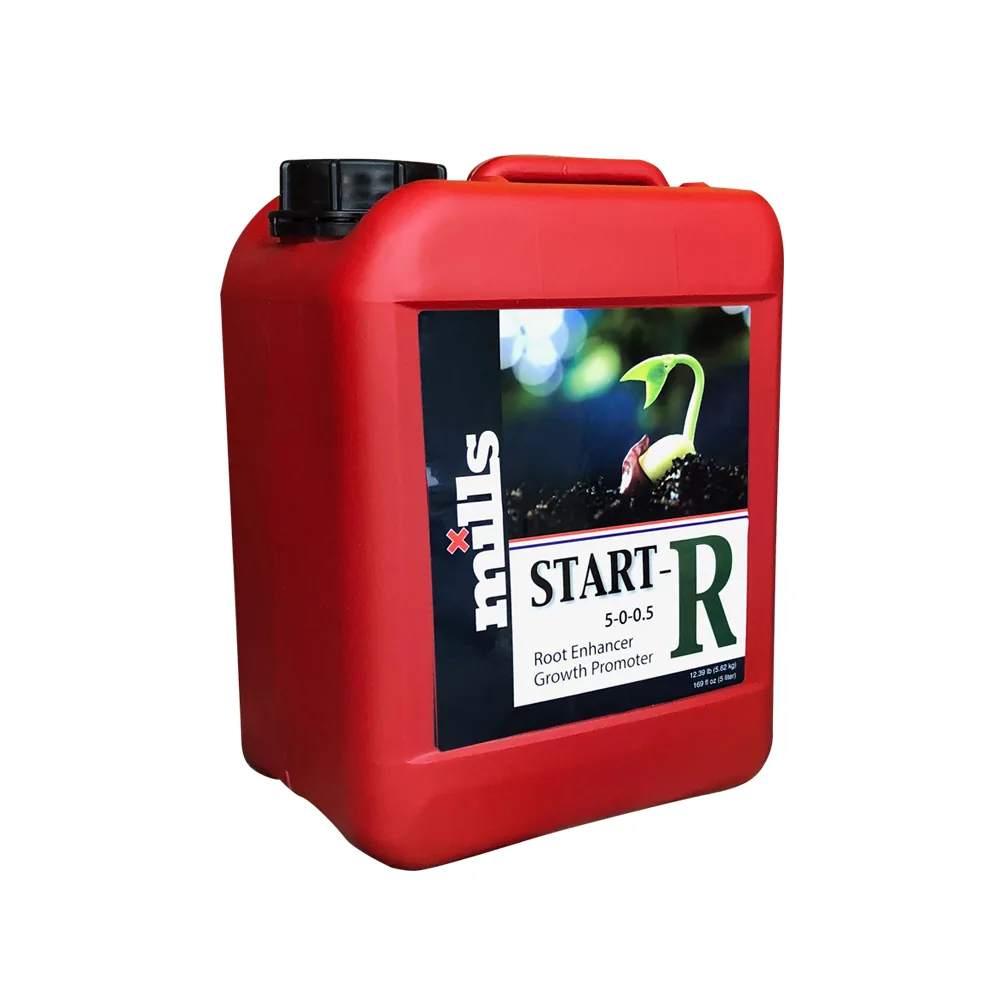
Start R isn't a rooting hormone. It's something better. Start R ไม่ใช่ฮอร์โมนเร่งราก เป็นอะไรที่ดีกว่า Start R không phải hormone rễ. Là điều tốt hơn.
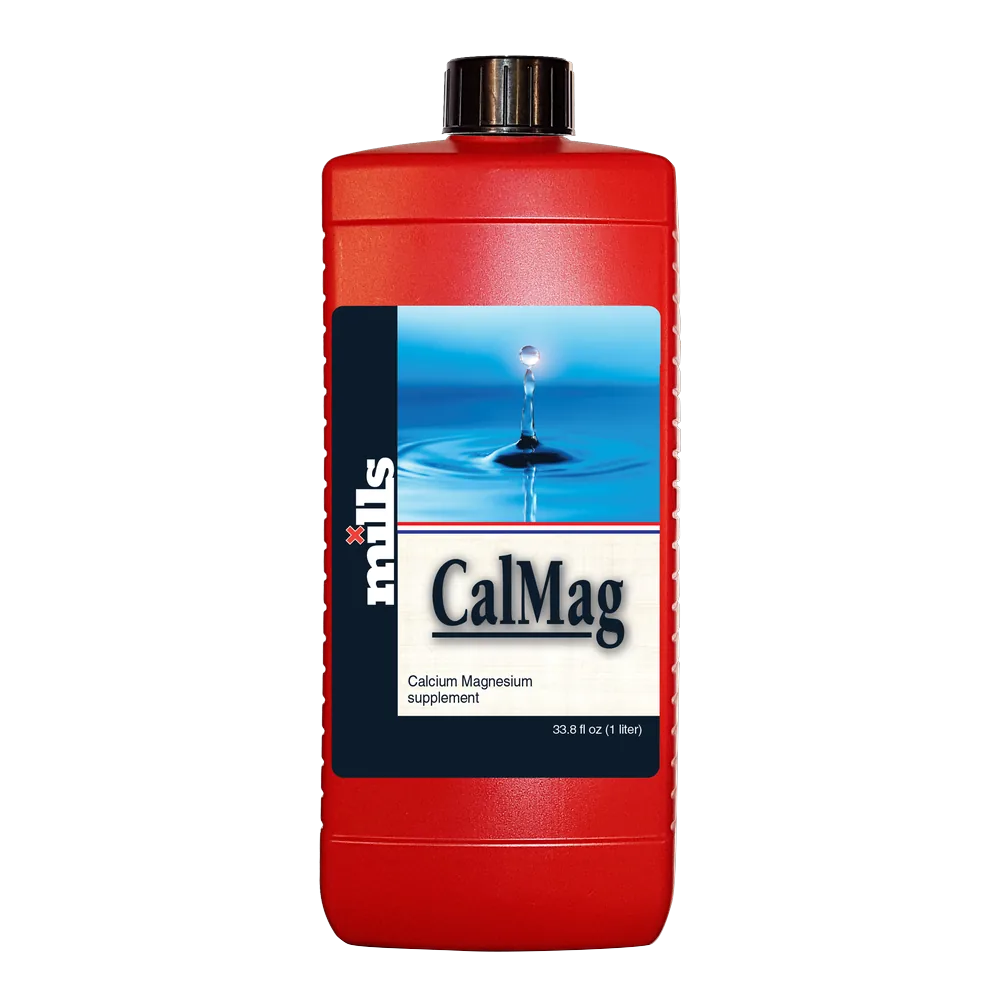
Purified water + Mills: the Thai-grow setup that ends tip burn น้ำกรอง + Mills: เซ็ตอัพปลูกไทยที่หยุดใบไหม้ปลาย Nước lọc + Mills: thiết lập vườn Thái chấm dứt cháy đầu